


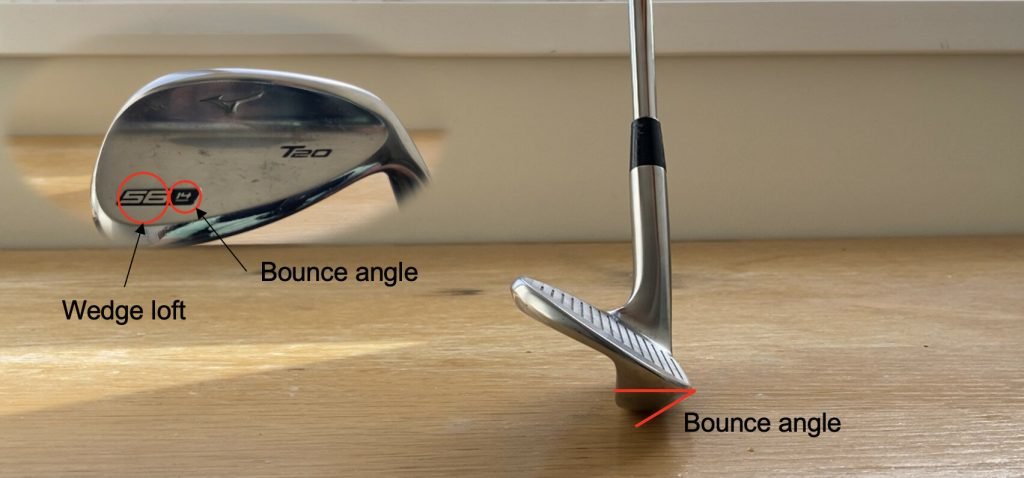
Imagine you’re out on the golf course, ready to take your swing with your trusty wedge. You’ve been practicing your technique perfecting your swing, but have you ever considered the role that bounce plays in your wedge? Bounce on golf wedges refers to the angle between the leading edge of the clubface and the sole. Preventing your club from digging into the ground and improving contact and consistency in your shots is vital. In this article, we’ll explore the importance of bouncing on golf wedges and how it can enhance your game, helping you easily achieve those perfect shots. So, let’s delve into this fundamental aspect of golf and uncover the secrets to mastering your wedge play.
What is Bounce on Golf Wedges?
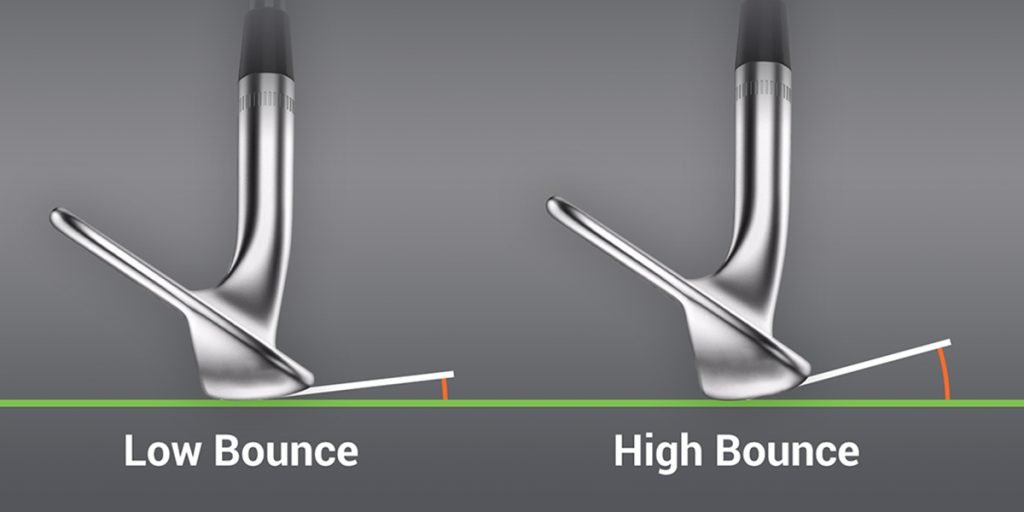
If you’re an avid golfer or have recently taken up the sport, you may have heard the term “bounce” used when discussing golf wedges. But what exactly is bounce, and why does it matter? Bounce refers to the angle between the leading edge and the lowest point of the sole of a golf club, specifically in the case of wedges. This angle plays a crucial role in how the wedge interacts with the turf and the sand, ultimately affecting the shot trajectory and control. Understanding the concept of bounce is essential for selecting the right wedge for your game and improving your performance on the golf course.
The Purpose of Bounce
Now that we know what bounce is, let’s consider why it is important. Bouncing on golf wedges primarily aims to prevent digging into the ground or getting stuck in the sand. When you swing with your wedge, the bounce helps the club glide through the turf smoothly, allowing for cleaner contact with the golf ball. Without the right bounce, your wedge could dig into the ground or sand, leading to fat shots or shots that come up short. Bounce acts as a cushion, ensuring that the clubface doesn’t get too close to the ground or the sand, providing more forgiveness and consistency in your shots.
Types of Bounce
There are three main types of bounce found in golf wedges: standard bounce, low bounce, and high bounce. Each type offers different benefits and suits various playing conditions and swing styles. Let’s take a closer look at each type:
1. Standard Bounce
Standard bounce or mid-bounce wedges are the most common type in golfers’ bags. They typically have a bounce angle ranging from 8 to 12 degrees. This type of bounce works well in various playing conditions and is suitable for golfers with moderate or neutral swing styles. Standard bounce wedges balance digging and bouncing off the turf, making them versatile and forgiving for most players.
2. Low Bounce
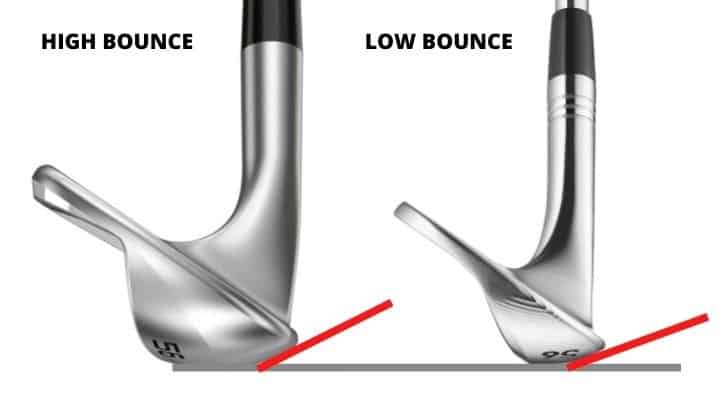
Low-bounce wedges have a smaller bounce angle, typically 4 to 7 degrees. These wedges are ideal for firm golf courses with tight lies and dry conditions. If you have a shallow angle of attack or tend to pick the ball cleanly off the turf, a low bounce wedge might be a good choice. It gives you more control over the ball and provides a lower shot trajectory, which can be advantageous in certain situations.
3. High Bounce
On the other end of the spectrum, we have high-bounce wedges, which boast a larger bounce angle ranging from 13 to 18 degrees. These wedges perform exceptionally well in soft turf or fluffy sand conditions. If you have a steeper angle of attack or tend to take divots, a high bounce wedge can help you glide through the turf more effectively and avoid digging. It provides added forgiveness, especially in challenging situations like bunker shots or shots from the rough.
Factors to Consider When Choosing Bounce
When deciding on the bounce angle for your golf wedges, you should consider a few factors. These factors can help you determine the most suitable bounce for your game:
1. Course Conditions
The condition of the golf course you typically play on significantly impacts the bounce you should choose. A low bounce wedge might be more suitable if you often play on firm fairways and tight lies. On the other hand, if you frequently encounter soft turf or fluffy sand, a high-bounce wedge could be the right choice. It’s essential to assess the playing conditions before making a decision.
2. Swing Style
Your swing style is also crucial in determining the appropriate bounce angle for your wedges. If you have a steep swing with a significant angle of attack, a high bounce wedge can help prevent digging and provide better turf interaction. Conversely, a low-bounce wedge might be more suitable if you have a shallow swing and tend to pick the ball cleanly. Understanding your swing style can help you select the bounce that complements your technique and enhances your performance.

Conclusion
Bounce is an essential aspect to consider when choosing golf wedges. It affects how the club interacts with the turf and sand, ultimately influencing the shot trajectory and control. By understanding the different types of bounce and considering factors such as course conditions and swing style, you can select the right wedge that suits your game. Whether it’s a standard bounce wedge for versatile performance, a low bounce wedge for firm conditions, or a high bounce wedge for soft turf or bunkers, the right bounce can significantly impact your golfing experience. So, next time you’re on the course, don’t overlook the importance of bounce, and choose your wedges wisely to elevate your game to new heights.