

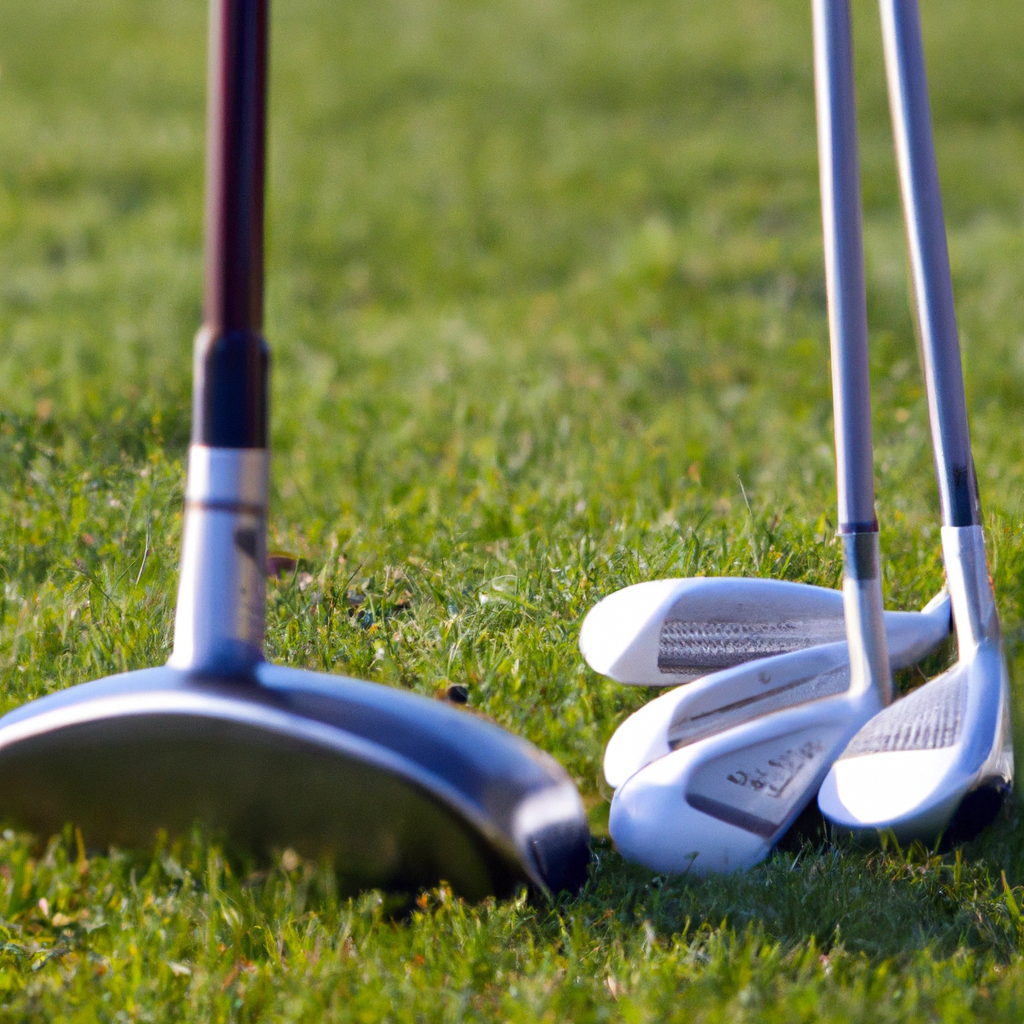
So you’ve been hitting the links for a while now, and you may wonder, “When should I replace my golf clubs?” It’s a common question for golf enthusiasts of all skill levels. Knowing when to invest in new clubs can significantly impact your game, whether you’re a weekend warrior or a seasoned pro. We’ll explore the factors to consider, such as frequency of use, club wear and tear, and technological advancements, to help you determine the right time to upgrade your trusty set of clubs.
Factors to Consider
Usage Frequency
When considering whether or not it’s time to replace your golf clubs, one critical factor is your usage frequency. How often do you play? Do you engage in regular practice sessions? How frequently do you visit the driving range? These are all critical questions to consider to assess the level of wear and tear your clubs have been subjected to.
Club Type
Another factor to consider is the type of clubs you use. Each club type has its own lifespan, from woods to irons, wedges to putters. Woods, for example, may need to be replaced more frequently due to the stress they endure when striking the ball off the tee. Conversely, Irons tend to be more durable but can still suffer from wear and tear over time. Analyzing the condition of each club type will help you determine their longevity.
Physical Damage
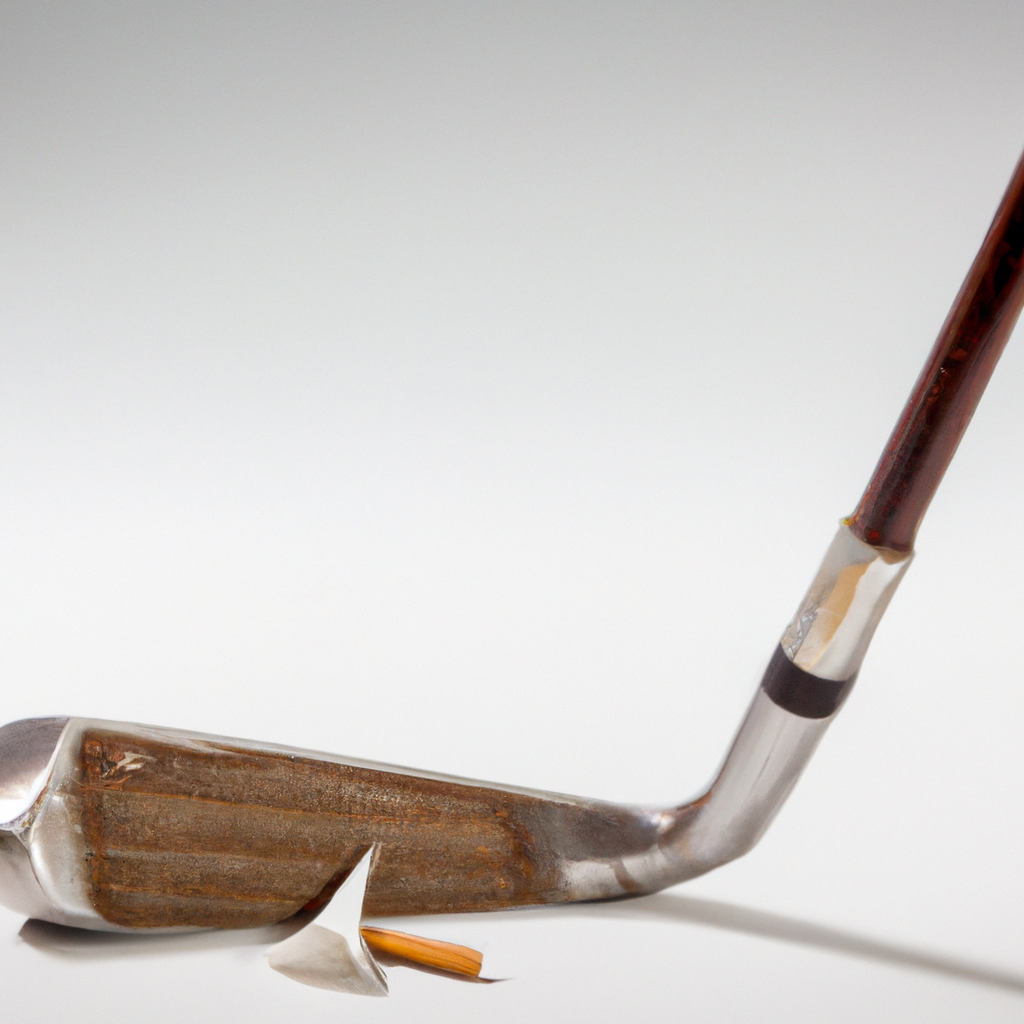
Physical damage is one of the most obvious signs that it may be time to replace your golf clubs. Scratches and dents on the clubheads can affect your shots’ aerodynamics and overall performance. Similarly, regular wear and tear on the shafts can weaken structural integrity. Additionally, the condition of your grips is crucial for maintaining a secure hold on the clubs. Any signs of peeling, cracking, or general deterioration can impact your swing and control.
Technological Advancements
The world of golf club manufacturing is constantly evolving, with new technological advancements being introduced regularly. Considering these advancements is essential when assessing the need for replacement. New materials, such as carbon fiber, titanium, and composite alloys, offer increased strength and lighter weights, resulting in improved club performance. Innovations in club designs, such as optimized weight distribution and enhanced sweet spots, can also significantly impact your game.
Usage Frequency
Number of Rounds Played
The number of rounds you play significantly determines your clubs’ lifespan. Generally, the more frequently you play, the sooner your clubs will wear out. Avid golfers who play multiple rounds per week may need to replace their clubs more often than casual players who only hit the course occasionally.
Practice Sessions
Practice sessions are a crucial aspect of improving your golf game, but they can also contribute to the wear and tear of your clubs. Repeated swings and shots during practice sessions can cause damage, especially if you are hitting off artificial mats or other less forgiving surfaces than natural grass. It’s essential to consider both the frequency and intensity of your practice sessions when evaluating the condition of your clubs.
Driving Range Usage
Many golfers frequent the driving range to work on their swing and warm up before a round. While driving range usage can benefit your game, it can also accelerate the deterioration of your clubs. Hitting countless balls from driving range mats or range balls can cause increased wear on the clubheads, shafts, and grips. Considering how much you utilize the driving range can help determine if your clubs are due for replacement.
Club Type
Woods
Woods, particularly the driver and fairway woods, are subjected to tremendous forces with each swing off the tee. The repeated impact on the ball and the ground can cause clubface damage and loss of performance over time. The lifespan of woods can vary depending on factors such as clubhead material and the number of rounds played. If you notice a decrease in distance or a lack of control off the tee, consider replacing your woods.
Irons
Irons are known for their durability compared to other club types. However, they are not immune to wear and tear. Over time, the faces of your irons can become worn, reducing the spin and distance control you can achieve. Additionally, the grooves that provide grip on the ball can wear down, compromising your ability to generate spin. Pay attention to any signs of decreased performance, such as inconsistent ball flight or difficulty with control, as these may indicate the need for new irons.
Wedges
Wedges are the clubs most susceptible to physical damage due to their purpose of hitting shots with high precision. Constantly striking the ball from various lies, rough conditions, and bunkers can increase wear and tear on the club head and grooves. If you notice a decrease in spin control or difficulty getting the ball close to the pin, it may be time to replace your wedges.
Putters
Putters are often considered the most personal and unique clubs in a golfer’s bag. While they may not suffer from physical damage as frequently as other clubs, their performance can still be affected with extended use. It may be worth exploring new putter options if you need help with alignment, distance control, or feel on the greens.
Physical Damage
Scratches and Dents
Scratches and dents on the clubheads are common signs of physical damage. Besides affecting the aesthetics of your clubs, these imperfections can disrupt the airflow around the head, leading to decreased accuracy and distance. While minor scratches may not immediately warrant replacement, deep dents or significant cosmetic damage can compromise the club’s structural integrity and overall performance.
Shaft Wear and Tear
The shafts of your golf clubs absorb a significant amount of force during your swing. Over time, this can lead to wear and tear, resulting in decreased stability and energy transfer. Signs of shaft wear include visible cracks, splintering, or significant changes in flexibility. If you notice any of these indicators, consider replacing your clubs or having the shafts repaired by a professional.
Grip Condition
The condition of your grips is often overlooked but can profoundly impact your swing and control. Grips that are worn, hardened, or slick can increase grip pressure, resulting in less control over the club. If you must grip the club tighter or experience increased slippage, it’s time to replace your grips. Grips should be inspected regularly and replaced when necessary to maintain optimal performance.
Technological Advancements
New Material Innovations
Technology has brought about significant advancements in golf club materials. New materials such as carbon fiber, titanium, and composite alloys increase strength while reducing overall weight. Technology innovations allow for more forgiving clubs, generate higher ball speeds, and have higher MOI (Moment of Inertia), resulting in greater distance and accuracy. It may be time to upgrade if your current clubs are outdated and lacking in these material advancements.
Improvements in Design
Design improvements in golf clubs can significantly enhance performance and playability. These advancements can improve club speed, forgiveness, and overall consistency from more aerodynamic clubhead shapes to optimized weight distribution. Pay attention to the latest design features and technologies in the market, as they may benefit your game significantly.
Performance Enhancements
With the rapid pace of technological advancements, there have been remarkable improvements in golf club performance. Manufacturers continue to innovate and refine club designs to maximize distance, accuracy, and forgiveness. If you need help to achieve the desired results with your current clubs, it may be worth exploring the latest models that offer enhanced performance features tailored to your needs.
Indications of Needing Replacement
Decreased Distance
If you notice a gradual decrease in the distance you achieve with your shots, it could be a sign that your clubs are nearing the end of their effective lifespan. Over time, the clubfaces can wear down, losing their ability to generate the necessary power and launch angles for maximum distance. Consider investing in new clubs if you constantly fall short of your usual distances.
Inconsistent Ball Flight
Consistency in ball flight is crucial for any golfer striving for accuracy and control. However, if you notice a significant increase in shot dispersion or erratic ball flight patterns, it may indicate that your clubs are no longer providing the necessary consistency. Mis-hits and lack of control can result from worn club faces, damaged grooves, or structural issues. Evaluating your clubs’ performance and seeking professional guidance can help determine if replacement is necessary.
Lack of Control
Control over your shots is vital in golf, and if you’re experiencing a lack of control with your current clubs, it could be a sign that they need replacing. A loss of control can manifest in various ways, such as difficulty shaping shots, inability to work the ball left or right, or inconsistent distance control. If you struggle to hit consistent shots or execute your desired shot shape, it may be time to explore new clubs that better suit your swing and playing style.
Difficulty with Alignment
Alignment is a fundamental aspect of every golf shot. If you consistently aim left or right of your target, it could be a sign that your clubs are out of alignment. Clubheads can shift over time, resulting in misalignment and impairing your ability to aim accurately. If you’re constantly adjusting your setup but still struggling with alignment, it may be worth considering new clubs that provide better alignment aids or seeking professional assistance.
Expert Opinions
PGA Professionals
PGA Professionals possess extensive knowledge of golf equipment and are well-versed in the needs of various golfers. Seeking advice from a PGA Professional can provide valuable insights into the factors to consider when determining whether to replace your clubs. They can assess your swing characteristics, guide club fitting, and offer suggestions based on your skill level, playing style, and goals.
Club Fitting Specialists
Club fitting specialists are experts in analyzing an individual golfer’s swing characteristics and matching them with the most suitable equipment. Their thorough evaluation can pinpoint deficiencies in your current clubs and offer recommendations for improvement. By considering factors such as swing speed, launch angle, and spin rates, club fitting specialists can help you decide whether to replace your clubs and provide personalized recommendations for new equipment.
PGA Professionals
Advice on Frequency
PGA Professionals recommend replacing golf clubs every 3-5 years, assuming regular usage. However, it’s important to note that this is only a general guideline, and individual factors such as usage frequency, maintenance, and advancements in technology should be taken into account. Regular consultations with a PGA Professional can help you determine the optimal replacement timeline for your situation.
Importance of Custom Fitting
PGA Professionals emphasize the importance of club fitting to maximize performance and improve your overall game. Custom fitting ensures that your clubs are appropriately suited to your swing characteristics, enabling you to achieve optimal launch conditions, accuracy, and consistency. By working with a PGA Professional to assess your custom fitting needs, you can determine if replacing your clubs is necessary to achieve the best possible results on the course.
Suggested Signs of Replacement
PGA Professionals advise paying attention to any significant changes in your game that cannot be attributed to swing or technique adjustments. If you’re consistently experiencing decreased distance, inconsistency in ball flight, lack of control, or difficulty with alignment, it’s worth consulting with a PGA Professional to evaluate your clubs’ condition. They can provide expert insight on whether replacement is necessary or if other adjustments can address your performance issues.
Club Fitting Specialists
Evaluation of Swing
Club fitting specialists employ advanced technologies and techniques to evaluate your swing characteristics. They analyze factors such as swing speed, tempo, attack angle, and path to understand how your current clubs interact with your swing. This evaluation helps identify any deficiencies or limitations hindering your performance.
Assessment of Club Fit
Once the swing evaluation is complete, club fitting specialists assess the current fit of your clubs. They examine club length, lie angle, loft, and shaft flex to determine if your clubs are optimized for your swing characteristics. Any mismatches or inadequacies in the club fit can contribute to performance issues and may indicate the need for new equipment.
Recommendations for Improvement
Based on the swing evaluation and club fit assessment findings, club fitting specialists provide tailored recommendations for improvement. These recommendations may include adjustments to your current clubs, such as changing shafts, adjusting lie angles, or exploring new club options that better suit your swing. By following their professional advice, you can make educated decisions on whether to replace your clubs and ultimately improve your game.
Advancements in Technology
Innovations in Materials
Advancements in golf club materials have revolutionized club design and performance. New materials such as carbon fiber, titanium, and composite alloys offer increased durability, strength, and lighter weights. Carbon fiber, for example, allows for weight redistribution in clubhead design, resulting in increased forgiveness and higher moments of inertia. The latest material innovations can significantly enhance your playing experience when replacing your clubs.
New Construction Techniques
As technology has advanced, so have the construction techniques used in manufacturing golf clubs. Computer-aided design (CAD) and finite element analysis (FEA) have enabled designers to optimize weight distribution, refine clubhead shapes, and increase structural integrity. These advancements improve club stability, enhance feel, and better energy transfer, allowing for more consistent and powerful shots.
Enhanced Forgiveness
Modern golf clubs are engineered with a focus on forgiveness, which refers to the clubs’ ability to minimize the impact of mis-hits and off-center shots. Weight distribution improvements, perimeter weighting, and variations in face thickness all contribute to enhanced forgiveness. If your current clubs need forgiveness and you struggle to consistently hit the sweet spot, replacing them with technologically advanced models can make a noticeable difference in your game.
In conclusion, it’s crucial to consider factors such as usage frequency, club type, physical damage, and technological advancements when determining whether to replace your golf clubs. Assessing the wear and tear on your clubs, consulting with experts like PGA Professionals and club fitting specialists, and staying informed about the latest advancements in materials and design are all critical steps in making an informed decision. By evaluating these factors and seeking professional guidance, you can ensure that your golf clubs remain valuable in improving your game and enjoying your time on the course.