

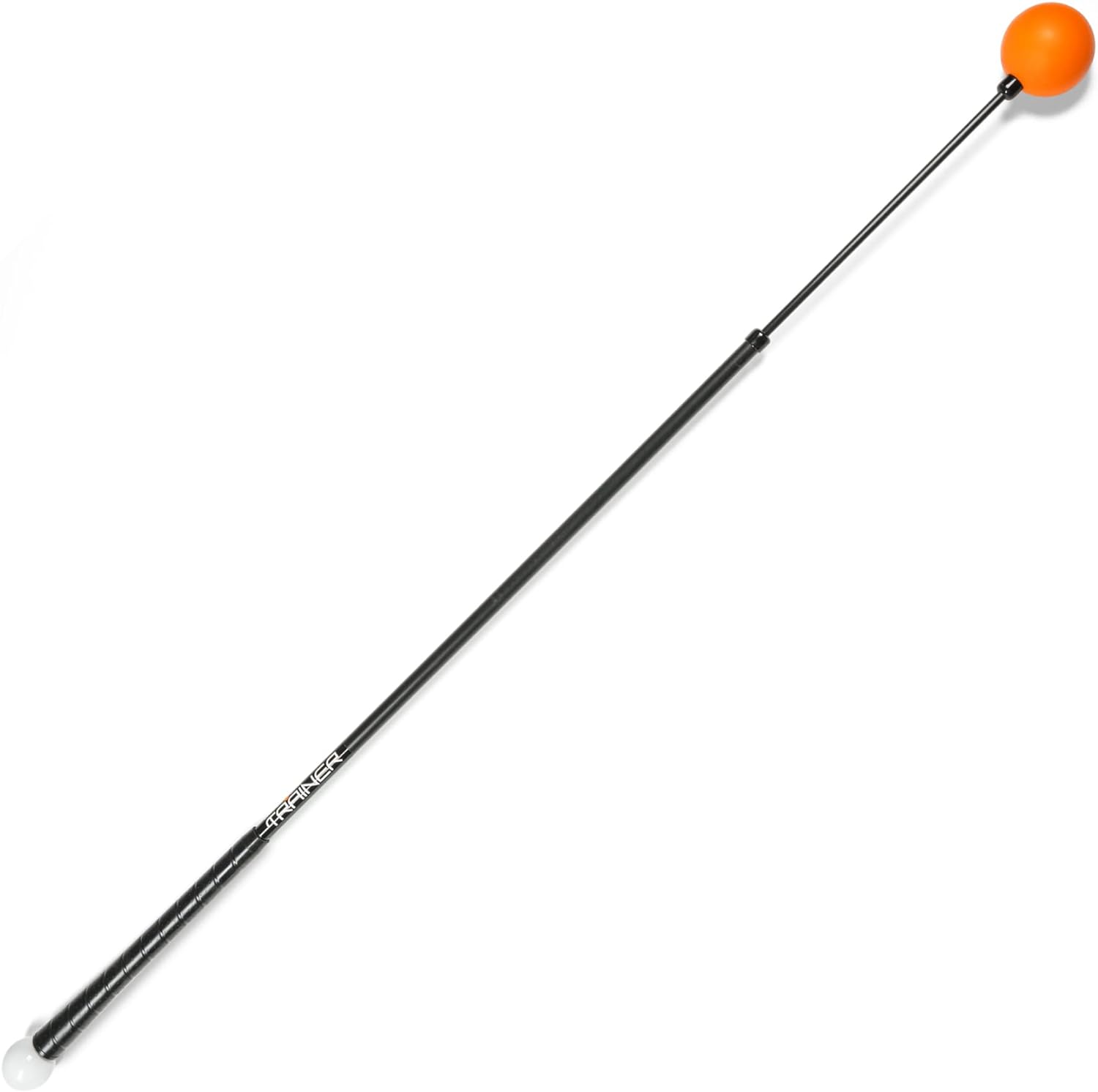
In this article, you will better understand how golf swing tempo trainers function and how they can improve your golf game. By examining the role of these innovative training aids and their benefits, we will explore their potential for enhancing your swing technique and overall performance on the golf course. So, let’s dive into the mechanics of golf swing tempo trainers and discover how they can help you fine-tune your game.
Benefits of Using Golf Swing Tempo Trainers
Improves Rhythm and Timing
Using a golf swing tempo trainer can greatly improve your rhythm and timing on the golf course. These training aids help you establish a consistent tempo and cadence in your swing, which is crucial for achieving optimal ball striking. By practicing with a tempo trainer, you can develop a better sense of timing and ensure that your swing is in sync from start to finish. This will help you achieve a smoother, more controlled swing, leading to more accurate shots.
Promotes Consistency in the Swing
Consistency is key in golf; a tempo trainer can help you achieve that. These training aids provide a repetition-based approach to practice, allowing you to reinforce the correct swing mechanics repeatedly. By consistently practicing with a tempo trainer, you can train your muscles to repeat the same motion and eliminate any inconsistencies or bad habits in your swing. This will ultimately result in more consistent ball striking and improved overall performance on the golf course.
Develops Muscle Memory
Muscle memory plays a crucial role in golf, allowing you to perform the same swing motion without consciously thinking about it. A golf swing tempo trainer can help you develop muscle memory by reinforcing the correct swing sequence and mechanics. By consistently practicing with a tempo trainer, your muscles will become accustomed to the correct movements and positions, making it easier to replicate them during a round of golf. This improves consistency and allows you to execute shots more confidently and precisely.
Enhances Clubhead Speed
One of the key benefits of using a golf swing tempo trainer is its ability to enhance clubhead speed. Tempo trainers, particularly weighted clubs, can help you build strength and power in your swing. The additional weight of these training aids forces you to generate more power and speed to swing the club effectively. Over time, this increased resistance will translate into greater clubhead speed and distance off the tee. Incorporating a tempo trainer into your practice routine can increase your swing speed and gain additional yardage on your shots.
Helps with Tempo Control
Maintaining the proper tempo throughout your golf swing is crucial for consistent ball striking and accuracy. Using a golf swing tempo trainer can greatly help in tempo control. Tempo trainers provide auditory or visual cues that help you establish and maintain a consistent tempo or rhythm during your swing. Whether it’s a metronome-like device, a swing trainer with integrated sounds, or an audio app, these training aids can assist you in keeping a steady tempo from takeaway to follow-through. A consistent tempo ensures that your swing is well-paced and allows you to execute smooth and controlled shots.
Different Types of Golf Swing Tempo Trainers
Weighted Clubs
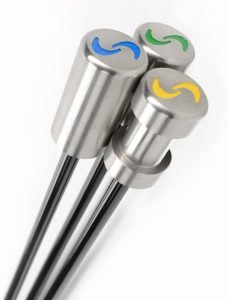
Weighted clubs are a popular golf swing tempo trainer that can improve your swing tempo and overall performance. These clubs are designed to be heavier than standard golf clubs, allowing you to develop more strength and power in your swing. Practicing with weighted clubs can build muscle memory and train your body to generate a faster and more controlled swing. Additionally, the added resistance helps you become more aware of the clubhead position and promotes proper swing sequencing. Weighted clubs are available in various weights, allowing you to choose the level of resistance that suits your needs and skill level.
Training Aids with Auditory Feedback
Another type of golf swing tempo trainer utilizes auditory feedback to help you establish and maintain a consistent tempo in your swing. These training aids often resemble metronomes or timing devices and emit sound cues or beats to which you can synchronize your swing. You can develop a sense of rhythm and timing by listening to the auditory cues and matching them with your swing. These training aids are particularly helpful for golfers who respond well to auditory cues and find it easier to establish and maintain a consistent tempo through sound.
Electronic Devices with Visual Cues
Electronic devices with visual cues have become increasingly popular as golf swing tempo trainers. These devices typically use sensors or cameras to capture your swing and provide real-time visual feedback. They analyze your swing mechanics and provide visual cues or indicators to help you make adjustments and improve your tempo. By seeing your swing in real-time, you can identify flaws or inconsistencies and make the necessary corrections. These electronic devices also allow you to track your progress over time and measure your swing tempo and performance improvements.
How Weighted Clubs Aid in Tempo Training
Increases Awareness of Clubhead Position
One of the major benefits of using weighted clubs for tempo training is the increased awareness of the clubhead position. The additional weight in the club helps you feel the clubhead’s position throughout the swing, promoting proper clubhead alignment and control. This heightened awareness allows you to time your swing better and strike the ball with the sweet spot of the clubface. By consistently practicing with weighted clubs, you can train your body to deliver the clubhead to the correct position consistently, improving ball striking and accuracy.
Improves Swing Acceleration
Weighted clubs also play a significant role in improving swing acceleration. The added resistance the club’s weight provides forces you to generate more power and speed to swing effectively. Your muscles become stronger by constantly working against the resistance during practice, leading to increased swing acceleration. This enhanced swing acceleration translates into more clubhead speed, resulting in greater distance and improved overall performance on the golf course.
Builds Strength and Flexibility
Using weighted clubs as part of your tempo training routine can also help build strength and flexibility in the golf-specific muscles. The additional weight resists your swing, forcing your muscles to work harder and become stronger. This increased strength allows you to generate more power and speed in your swing. Additionally, swinging weighted clubs requires a greater range of motion, which promotes flexibility and mobility in your golf swing. Improved strength and flexibility in golf-specific muscles contribute to a more powerful and efficient swing.
Promotes Proper Swing Sequencing
Proper swing sequencing is essential for a consistent and efficient golf swing. Weighted clubs aid in promoting proper swing sequencing by providing resistance and feedback. The additional weight helps you feel the correct sequence of movements and positions throughout the swing. By practicing with weighted clubs, you can develop a smoother and more coordinated swing motion, ensuring that each part of the swing is executed in the correct order. This proper swing sequencing leads to better timing, improved ball striking, and a more effective and consistent golf swing.
Training Aids with Auditory Feedback for Tempo Control
Metronome-like Devices
Metronome-like devices are tempo training aids that produce rhythmic auditory cues or beats to help you establish and maintain a consistent tempo in your swing. These devices typically have adjustable settings that allow you to set the desired tempo for your swing. You can develop a steady rhythm and tempo by synchronizing your swing with the beats or cues provided by the metronome-like device. Metronome-like devices are particularly beneficial for golfers who respond well to auditory cues and find it easier to establish and maintain a consistent tempo through sound.
Swing Trainers with Integrated Sounds
Swing trainers with integrated sounds are another golf swing tempo trainer that utilizes auditory feedback. These training aids are designed to produce sound cues or clicks at specific points in the swing, helping you establish the correct tempo and rhythm. For example, a swing trainer might emit a click at the top of the backswing and another click at impact. You can develop a consistent swing tempo by following the sound cues and matching the timing. Swing trainers with integrated sounds are popular among golfers who prefer a more tactile and auditory approach to tempo training.
Audio Apps and Programs
In today’s digital age, numerous audio apps and programs can assist with tempo control in your golf swing. These apps often offer a variety of rhythm tracks, beats, or sounds that you can sync your swing to. Some even allow you to customize the tempo and select the specific beats per minute that suit your swing tempo preferences. These audio apps and programs are convenient as they can be downloaded onto your smartphone or other portable devices, allowing you to practice tempo training wherever you go. Whether you choose a dedicated golf app or a general metronome app, these audio tools can improve your swing tempo.
Benefits of Electronic Devices with Visual Cues
Offers Real-time Feedback
Electronic devices with visual cues provide real-time feedback on your swing mechanics, allowing you to make adjustments on the fly. These devices use sensors, cameras, or motion-tracking technology to capture your swing and provide visual cues or indicators highlighting flaws or inconsistencies. By seeing your swing in real-time, you can identify areas that need improvement and make immediate adjustments. This real-time feedback is invaluable in developing a consistent and efficient golf swing.
Assists in Identifying Swing Flaws
One of the main benefits of using electronic devices with visual cues is their ability to identify swing flaws. These devices provide a detailed analysis of your swing mechanics, highlighting areas that need improvement or correction. By visually seeing the flaws in your swing, you can better understand the root cause of any inconsistencies or poor shot results. This allows you to make targeted adjustments to your swing and work on specific aspects that need improvement. By addressing these swing flaws, you can enhance your swing tempo and overall performance on the golf course.
Improves Path and Clubface Alignment
Path and clubface alignment are crucial to achieving a consistent and accurate golf swing. Electronic devices with visual cues can greatly assist in improving these aspects of your swing. These devices can help you monitor and correct misalignment or faulty positions by capturing your swing and providing visual cues or indicators. This ensures your swing path is on the desired plane and the clubface is square at impact. Improved path and clubface alignment result in better ball striking and increased accuracy on the golf course.

Tracks Progress Over Time
Electronic devices with visual cues allow you to track your progress over time by capturing and storing data from your swing sessions. By reviewing your swing data and analyzing the changes and improvements over time, you can gauge your progress and identify areas that still need work. This tracking feature provides valuable feedback on the effectiveness of your tempo training and helps you stay motivated and focused on your goals. Seeing tangible progress can boost your confidence and drive you to continue practicing with your tempo trainer, knowing you are moving closer to achieving your desired swing tempo and performance.
Factors to Consider When Choosing a Golf Swing Tempo Trainer
Personal Goals and Needs
When choosing a golf swing tempo trainer, it is important to consider your personal goals and needs. Identify what specific aspects of your swing tempo you want to improve and choose a training aid that targets those areas. For example, if you struggle with maintaining a consistent rhythm, a metronome-like device or swing trainer with integrated sounds may suit you. Understanding your goals and needs will help you decide and select a tempo trainer that aligns with your specific requirements.
Budget
Consider your budget when selecting a golf swing tempo trainer. Tempo trainers come in a wide range of prices, from affordable options to more high-end and advanced devices. Determine how much you will invest in a tempo trainer and look for options within your budget. It’s important to note that while more expensive tempo trainers may offer additional features or technology, affordable options can still effectively improve your swing tempo. Ultimately, choose a tempo trainer that provides value for money and meets your budgetary constraints.
Ease of Use
Choose a golf swing tempo trainer that is easy to use and fits seamlessly into your practice routine. Some tempo trainers require minimal setup and can be easily incorporated into your practice sessions, while others may require more time and effort to set up and operate. Consider your preferred learning style and how you best respond to different training methods. For example, an electronic device with visual cues may be more effective if you are a visual learner. Ensure your chosen tempo trainer is user-friendly and provides clear instructions for optimal usage.
Portability
Consider the portability of a golf swing tempo trainer if you plan to practice on the go or travel frequently. Some tempo trainers, such as electronic devices or audio apps, are highly portable as they can be easily carried in your pocket or stored on your smartphone. On the other hand, weighted clubs may be less portable due to their size and weight. Assess your lifestyle and practice habits to determine whether portability is key to your tempo trainer selection. A portable tempo trainer allows you to practice your swing tempo wherever possible, maximizing your practice time and consistency.
Compatibility with Swing Style
When choosing a golf swing tempo trainer, ensure it matches your style. Different tempo trainers cater to different swing styles and preferences. For instance, if you have a faster swing tempo, you may want to choose a tempo trainer with a higher beats per minute (BPM) range. On the other hand, if you have a slower swing tempo, a tempo trainer with a lower BPM range may be more suitable. Consider your natural swing rhythm and tempo when selecting a tempo trainer to ensure that it complements your swing style and helps you achieve your desired tempo.
How to Use Golf Swing Tempo Trainers Effectively

Start with a Proper Warm-up Routine
Before incorporating a golf swing tempo trainer into your practice sessions, starting with a proper warm-up routine is important. Engaging in warm-up exercises and stretches helps prepare your muscles and joints for the demands of swinging the golf club. A warm-up routine that includes dynamic stretches, rotational movements, and light swings helps increase blood flow, flexibility, and range of motion. Warming up effectively reduces the risk of injury and ensures your body is ready for tempo training.
Follow the Manufacturer’s Guidelines
Each golf swing tempo trainer may have guidelines or instructions for use. Reading and following the manufacturer’s guidelines is essential to use the tempo trainer correctly and maximize its benefits. These guidelines may provide specific grip placement, swing speed, and practice duration recommendations. Adhering to the manufacturer’s guidelines can optimize your tempo training experience and achieve the desired results more efficiently.
Incorporate Tempo Training in Practice Sessions
To effectively improve your swing tempo, it is crucial to incorporate tempo training in your regular practice sessions. Dedicate a portion of your practice time solely to tempo training with your chosen tempo trainer. Whether using weighted clubs, following the cues of an auditory device or utilizing an electronic device with visual feedback, consistent practice is key to ingraining the desired tempo into your swing. Make tempo training a regular part of your practice routine, and be consistent in your efforts to develop a natural and consistent swing tempo.
Maintain a Balanced Approach
While tempo training can be highly beneficial, it’s important to maintain a balanced approach to your overall golf training. Don’t solely rely on tempo trainers to improve your swing tempo. Combine tempo training with other methods such as physical conditioning exercises, technique and skill development, and mental game improvement. A well-rounded approach ensures you address all aspects of your game and encourages overall improvement. By complementing tempo training with other training methods, you can maximize your progress and achieve long-term improvement.
Track Progress and Make Adjustments
As with any training method, tracking your progress and making necessary adjustments is essential for continuous improvement. Record your practice sessions and monitor your swing tempo improvements over time. Notice any areas that still need work or specific swing flaws that recur. By identifying areas for improvement, you can make targeted adjustments to your practice routine and tempo training. Whether it’s increasing the resistance of your weighted clubs, adjusting the beats per minute on your metronome-like device, or focusing on specific aspects of your swing with an electronic device, tracking your progress allows you to fine-tune your approach and achieve optimal results.
Common Mistakes to Avoid When Using Tempo Trainers
Relying Solely on Training Aids
While tempo trainers can be highly effective, relying solely on these training aids for swing tempo improvement is a common mistake. It is important to remember that tempo training should complement other training methods and a holistic approach to golf improvement. Incorporate physical conditioning exercises, skill development drills, and on-course practice to develop a well-rounded game. Using tempo trainers as a part of your training regimen rather than relying solely on them ensures a comprehensive approach to improvement.
Using Incorrectly-sized or Weighted Clubs
Using incorrectly sized or weighted clubs for tempo training can hinder your progress rather than help it. It is important to choose clubs that are appropriate for your physical attributes and swing style. Clubs that are too heavy or too light may throw off the balance and timing of your swing. Seek guidance from a professional club fitter or instructor to ensure you use the right clubs for your tempo training. The correct club fit allows you to swing naturally and comfortably, promoting the development of an optimal tempo and swing mechanics.
Neglecting Core Fundamentals
While tempo training is essential for developing a consistent swing rhythm, it should not replace the core fundamentals of the golf swing. It is crucial to master the basic elements of the swing, such as grip, alignment, posture, and balance, before focusing on tempo. Neglecting these core fundamentals in favor of tempo training can lead to swing flaws and inconsistencies. Ensure that you have a solid foundation in the basic principles of the golf swing before incorporating tempo training. Integrating tempo training into a strong swing foundation can enhance your overall performance more effectively.
Overlooking the Importance of Feedback
Feedback plays a critical role in golf swing improvement, and overlooking its importance is a mistake many golfers make. Whether through electronic devices, audio cues, or video analysis, feedback provides valuable insights into your swing mechanics and tempo. Pay attention to the feedback provided by your tempo trainer and actively seek additional feedback from instructors or experienced players. By embracing feedback and making the necessary adjustments, you can fine-tune your swing tempo and continue to progress.
Skipping Warm-up and Stretching
Skipping the warm-up and stretching phase before tempo training is a common mistake that can lead to injury and hinder your progress. Warming up properly increases blood flow to your muscles, increases your range of motion, and prepares your body for the demands of swinging the golf club. Incorporate dynamic stretches, rotational movements, and light swings into your warm-up routine before engaging in tempo training. Additionally, take the time to stretch after your practice sessions to prevent muscle soreness and stiffness. A proper warm-up and stretching routine ensures that your body is ready for tempo training and minimizes the risk of injury.
Complementing Tempo Training with Other Golf Training Methods
Physical Conditioning
Physical conditioning exercises are crucial in improving your overall golf game and complementing tempo training. A strong and flexible body allows you to generate more power and maintain proper swing mechanics. Incorporate exercises focusing on core strength, flexibility, balance, and rotational movement into your training regimen. Improving your physical conditioning enhances your ability to execute a consistent and efficient swing tempo.
Technique and Skill Development
Developing proper technique and honing your golf skills go hand in hand with tempo training. While tempo training helps you establish a consistent swing rhythm, it is essential to work on your swing mechanics and shot execution. Seek guidance from a golf instructor who can provide feedback on your technique and assist in developing the correct mechanics. Incorporate skill-building drills and practice-specific shots to improve your overall ball striking and control. Combining technique and skill development with tempo training creates a well-rounded approach to golf improvement.
Mental Game Improvement
Golf’s mental aspect is as important as physical conditioning and swing mechanics. Improving your mental game helps you stay focused, confident, and resilient on the golf course. Techniques such as visualization, positive self-talk, and pre-shot routines are valuable tools in managing your mental state during a round of golf. Incorporate mental game exercises and strategies into your practice routine to enhance your ability to maintain a consistent tempo even in high-pressure situations. A strong mental game complements your swing tempo and contributes to overall success on the golf course.
On-course Practice and Playing
While practicing with tempo trainers is essential, taking your skills to the golf course is equally important. On-course practice and playing allow you to apply your tempo training in real-game situations and under varying conditions. Practice rounds or friendly games with friends provide a valuable opportunity to assess your progress and identify improvement areas. Monitor your swing tempo on the course and make adjustments if necessary. Integrating tempo training into on-course practice and playing bridges the gap between practice and performance and achieves long-term improvement.
Conclusion
Golf swing tempo trainers offer numerous benefits for golfers looking to improve their swing rhythm and overall performance. Whether aiming to enhance consistency, develop muscle memory, increase clubhead speed, or refine tempo control, the right tempo trainer can be valuable in your practice routine. Consider personal goals, budget, ease of use, portability, and compatibility with your swing style when choosing a golf swing tempo trainer. Remember to start with a proper warm-up routine, follow the manufacturer’s guidelines, and incorporate tempo training in your practice sessions. Avoid common mistakes such as relying solely on training aids, using incorrectly sized or weighted clubs, neglecting core fundamentals, overlooking feedback, and skipping warm-ups and stretching. Complement your tempo training with other golf methods such as physical conditioning, technique and skill development, mental game improvement, and on-course practice and playing. Combining these approaches can improve your swing tempo, consistency, and overall performance on the golf course.