


Imagine having the opportunity to practice your golf swing anytime, anywhere, without even stepping foot on a real golf course. This is the promise of golf simulators – cutting-edge technology allowing you to play and practice golf virtually. But can these simulators truly replace the experience of practicing on a real golf course? While they offer convenience and accessibility, there are certain nuances and challenges that only real course practice can provide. This article will explore golf simulators’ potential benefits and limitations, helping you decide whether they can truly substitute the real deal.
The Benefits of Golf Simulators
Realistic Replication of Golf Courses
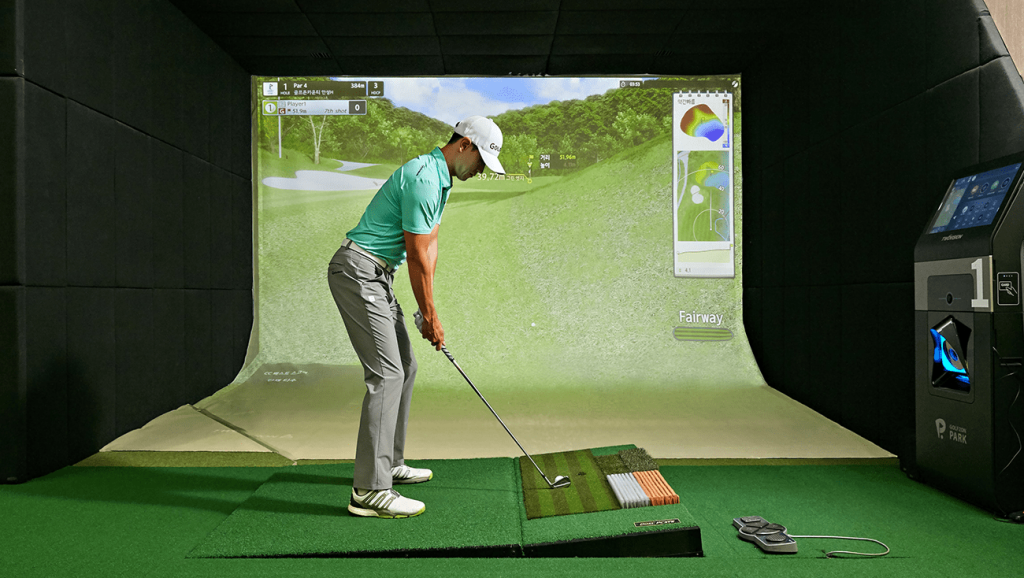
Golf simulators have come a long way in replicating the experience of playing on a real golf course. The technology used in these simulators is designed to provide accurate representations of various golf courses, including their layout, hazards, and even the land’s topography. This realistic replication allows you to experience different golf courses from the comfort of your home or golf facility.
Convenience and Accessibility
One of the biggest advantages of golf simulators is the convenience and accessibility they offer. With a simulator, you can practice your golf game anytime, regardless of the weather conditions or the time of day. Whether it’s raining outside or the golf course is closed for the season, you can still work on your swing and improve your skills. Additionally, golf simulators are available in many locations, such as indoor golf facilities and private homes, making them easily accessible for those who don’t have easy access to a golf course.
Cost-Effective Alternative
Golf can be expensive, especially if you have to pay for green fees, memberships, and equipment. Golf simulators provide a cost-effective alternative to playing on a real golf course. While there is an initial investment in purchasing or using a simulator, it can save you money in the long run. With a simulator, you don’t have to pay for green fees, and you can practice as much as you want without any additional costs. This makes it an attractive option for golfers who want to improve their game without breaking the bank.
Practice Anytime, Anywhere
One of the greatest advantages of golf simulators is the ability to practice anytime, anywhere. Whether at home, work, or on the go, you can bring your simulator and work on your golf game. This convenience allows you to fit practice sessions into your busy schedule, making it easier to dedicate time to improving your skills. Whether you have a few minutes or hours, you can use a simulator to practice and enhance your golf game.
The Limitations of Golf Simulators
Limited Physicality and Sensory Experience
While golf simulators can replicate the visual elements of a golf course, they lack the physicality and sensory experience of playing on a real course. In a simulator, you are swinging a club without feeling the texture of the grass beneath your feet or the wind blowing against your face. This limitation can impact your ability to develop certain aspects of your game that rely on physical feedback and sensory input.
Lack of Environmental Factors
Golf courses constantly change due to environmental factors such as wind direction, temperature, and humidity. These environmental factors can greatly affect how a golf ball flies, and the course plays. Unfortunately, golf simulators are unable to replicate these dynamic environmental conditions. While they may offer options to adjust for wind or weather, it is still a simulated experience that may not fully capture the challenges and nuances of playing on a real golf course.
Inability to Gauge Real-Time Conditions
When playing on a real golf course, you must constantly assess the conditions and adjust your gameplay accordingly. This includes evaluating the greens’ firmness, the fairways’ speed, and the course’s moisture levels. Golf simulators, however, do not provide real-time feedback on these conditions, making it difficult to practice adapting and making strategic decisions based on the course conditions.
Restricted Skill Development
While golf simulators can be valuable for practicing swing mechanics and improving consistency, they may not be as effective in developing certain golf skills. Skills such as bunker shots, approach shots, and reading greens can be challenging to replicate in a simulator setting. These skills often require a deep understanding of the nuances of a real course, which may not be fully captured in a simulator.
Improving Golf Skills with Simulators
Perfecting Swing Mechanics
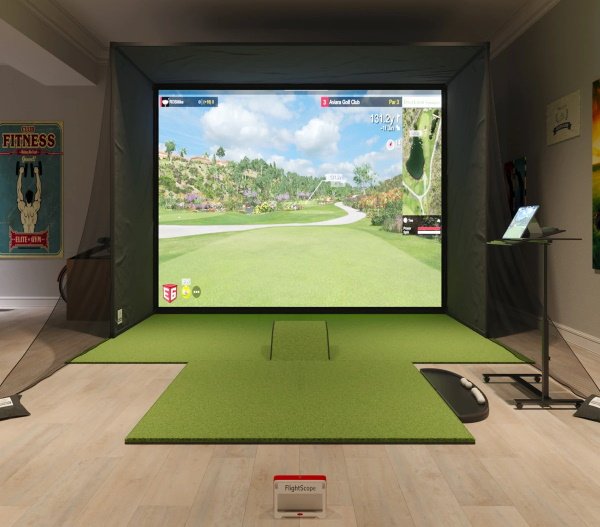
One of the primary benefits of using a golf simulator is the ability to work on your swing mechanics. Simulators provide detailed feedback on your swing, including club speed, face angle, and swing path. This feedback allows you to analyze and adjust your swing, helping you achieve a more consistent and efficient swing motion.
Analyzing Ball Flight and Shot Accuracy
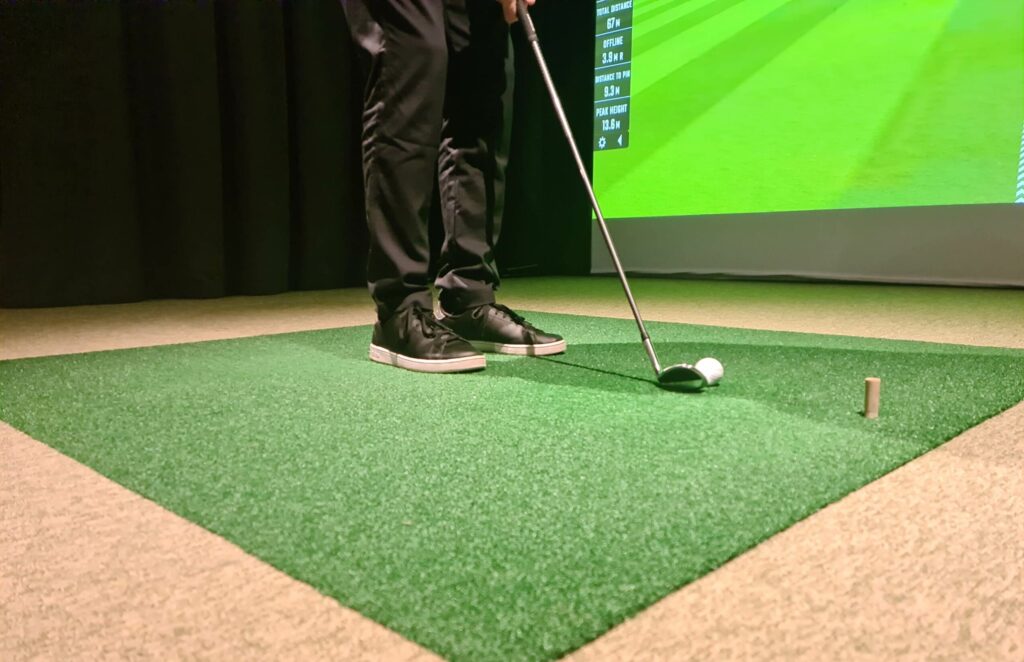
Golf simulators can accurately track the ball’s flight and provide data on shot accuracy. By analyzing this data, you can identify patterns and areas for improvement. For example, if the simulator consistently shows that your shots are veering to the right, you can work on correcting your swing to address the issue. This ability to analyze ball flight and shot accuracy can be invaluable in honing your skills and developing a more controlled and accurate golf game.
Working on Consistency and Tempo
Consistency and tempo are crucial aspects of a golfer’s game. With a golf simulator, you can improve your consistency and tempo by repeatedly practicing the same shots and repeating your swing motion. Simulators provide instant feedback on each shot, allowing you to adjust and fine-tune your swing to achieve the desired consistency and tempo.
Developing Mental Skills
Golf is a mentally challenging sport, and simulators can be an excellent tool for developing mental skills. You can practice managing your emotions, staying focused, and making strategic decisions by simulating high-pressure situations and different course scenarios. This mental practice can significantly impact your performance on the real golf course.
Enhancing Competition and Entertainment
Multiplayer and Online Tournaments
Golf simulators offer the opportunity to compete against other players in multiplayer and online tournaments. This adds a social and competitive element to your practice sessions, allowing you to challenge yourself and measure your skills against other golfers. Whether playing with friends or participating in online tournaments, the competitive aspect of golf simulators can enhance your practice sessions and overall game enjoyment.
Playing Famous Courses and Scenarios
One of the exciting features of golf simulators is the ability to play famous golf courses and scenarios. Whether experiencing the challenging fairways of Augusta National or reenacting iconic moments in golf history, simulators allow you to immerse yourself in these renowned courses and scenarios. This provides entertainment value and allows you to test your skills on some of the most revered golf courses in the world.
Adding Virtual Obstacles and Challenges
Virtual obstacles and challenges can be incorporated further to enhance the entertainment and challenge of golf simulators. From avoiding bunkers to navigating water hazards, simulators can simulate a wide range of obstacles you would encounter on a real golf course. These virtual challenges can add an element of excitement and unpredictability to your practice sessions, helping you develop skills in handling different course scenarios.
Simulating Weather and Course Conditions
Golf is a sport where weather conditions and course conditions greatly impact gameplay. Golf simulators can simulate different weather conditions, such as rain, wind, or extreme heat, providing a unique opportunity to practice and adapt to these challenging scenarios. Additionally, simulators can simulate different course conditions, such as fast greens or firm fairways, allowing you to develop strategies and adjust your gameplay accordingly.
The Importance of Real Course Practice
Understanding Course Management
While simulators can provide a realistic representation of golf courses, nothing compares to the experience of playing on a real course. Real course practice allows you to understand course management, learn how to strategize your shots, navigate hazards, and position yourself for the best approach to the green. These skills are difficult to replicate in a simulated environment and are best learned through firsthand experience on a real golf course.
Dealing with Unpredictable Elements
Real golf courses present unpredictable elements that cannot be replicated in a simulator. These elements include changes in weather, varied terrain, and unexpected obstacles. Playing on a real course allows you to develop the skills to adapt and adjust your gameplay based on these unpredictable elements. This adaptability and resilience are essential in becoming a well-rounded golfer.
Mastering Short Game and Putting
The short game and putting are often considered the most critical aspects of a golfer’s game. While simulators can provide some practice opportunities for these areas, nothing compares to the feel and touch required for short game shots on a real course. Real course practice allows you to understand better the greens, the speed of various putting surfaces, and the techniques needed for various short game shots, ultimately leading to improved performance on the course.
Adjusting to Different Terrain and Lies
Every golf course is unique, with its own set of challenges and variations in terrain. Playing on a real golf course exposes you to different lies, such as uphill, downhill, and uneven lies, which require different swing techniques and shot strategies. Real course practice allows you to develop the skills needed to adjust and adapt to these different lies, enabling you to tackle any situation you may encounter on the course confidently.
Using Simulators as a Complementary Tool
Supplementing Real Course Practice
While real course practice is crucial for developing certain golf skills, golf simulators can supplement and reinforce what you learn. Simulators allow you to continue practicing even when real course access is limited, ensuring that you can maintain and build upon the progress you make during your time on the course.
Analyzing and Correcting Swing Issues
Golf simulators provide comprehensive swing analysis and feedback, allowing you to identify and correct swing issues that may hinder your performance. By practicing on a simulator and analyzing your swing, you can make adjustments and improvements that will translate to better performance on the course. Simulators can help you work on specific aspects of your swing, such as club path, angle of attack, and transition, providing valuable insights for refining your technique.
Maintaining Skill When Time is Limited
Finding time to practice on a real golf course can be challenging in today’s busy world. Golf simulators offer a convenient alternative for maintaining your golf skills when time is limited. Whether it’s a quick 30-minute session in your home simulator or a few swings during your lunch break at an indoor facility, using a simulator allows you to stay connected to the game and continue working on your skills, even during busy periods.
Practicing During Inclement Weather
Inclement weather can often disrupt or limit your ability to practice on a real golf course. Access to a golf simulator allows you to continue practicing and improving your game regardless of the weather conditions outside. This lets you stay consistent with your practice routine and ensures that weather-related interruptions do not hinder your progress.

Factors to Consider in Choosing a Simulator
Accuracy of Simulated Ball Flight
When choosing a golf simulator, the accuracy of the simulated ball flight is crucial. You want a simulator that provides realistic and precise data on ball speed, launch angle, spin rate, and other important factors that impact the golf ball’s flight. Look for simulators that use advanced sensor technology and have a strong reputation for accuracy to ensure you get the most realistic experience possible.
Quality and Variety of Courses
Another factor to consider is the quality and variety of courses on the simulator. Look for simulators that offer a wide range of famous and championship courses to keep your practice sessions engaging and diverse. The visual and immersive experience of playing on different courses can greatly enhance the enjoyment and effectiveness of your simulator practice.
Tournament and Challenge Options
Consider simulators offering tournament and challenge options if you want to add a competitive element to your practice sessions. This allows you to participate in virtual tournaments, compete against other players, and test your skills in various challenges. These options can elevate the excitement and engagement of your simulator experience.
Available Swing Analysis and Feedback
The quality and depth of a simulator’s swing analysis and feedback are essential for improving your game. Look for simulators that can accurately capture and analyze your swing data, providing insights into areas for improvement. Features such as club speed, face angle, swing path, and weight shift analysis can help you identify and address swing issues, leading to better performance on the course.
Creating an Effective Simulated Practice Routine
Setting Clear Objectives and Goals
Setting clear objectives and goals is essential to get the most out of your simulator practice sessions. Determine what specific aspects of your game you want to work on and establish measurable goals to track your progress. Whether improving your driving distance, refining your short game, or reducing your handicap, setting clear objectives will help you structure your practice routine and focus on areas that need improvement.
Warm-up and Stretching Exercises
Like when practicing on a real golf course, warming up your body and stretching before using a simulator is essential to prevent injuries and optimize your performance. Incorporate warm-up exercises and stretches into your simulator practice routine to prepare your muscles and joints for the game’s physical demands.
Simulating Real Course Scenarios
Make your simulator practice sessions more realistic and challenging by simulating real course scenarios. Instead of mindlessly hitting balls, create game-like situations that require you to analyze the course, make strategic decisions, and execute different shots. This can include simulating specific holes or even entire rounds of golf. You can better translate your simulator practice to on-course performance by incorporating real course scenarios.
Incorporating Mental and Visualization Techniques
Incorporate mental and visualization techniques into your routine to fully benefit from simulator practice. Visualize the golf shots you want to achieve, mentally rehearse your swing mechanics, and practice staying focused and confident throughout your practice sessions. Incorporating these mental skills can enhance your performance and translate your simulator practice to on-course success.
Balancing Simulated and Real Course Practice
Allocating Time and Resources
The key to balancing simulated and real course practice is allocating time and resources effectively. Assess your schedule and commitments to determine how much time you can devote to each type of practice. Additionally, consider the cost and accessibility of both options to ensure that you can make the most of your resources. Striking the right balance will maximize your golf development and enjoyment.
Adapting Practice Strategies
Different practice environments require different strategies. When practicing on a real golf course, focus on developing skills that are difficult to replicate in a simulator, such as reading greens, navigating various lies, and managing course conditions. Use the simulator to complement your real course practice by working on swing mechanics, consistency, and mental skills. By adapting your practice strategies to each environment, you can effectively leverage the strengths of both options.
Getting Feedback from Instructors
To ensure that you are making progress and practicing effectively, seek feedback from golf instructors or coaches. They can assess your skill level, provide guidance, and suggest specific areas for improvement. Instructors can also help you integrate simulator practice into your overall training plan, ensuring that it aligns with your goals and helps you progress as a golfer.
Periodic On-Course Assessments
To gauge the effectiveness of your simulator practice and maintain a balanced approach, periodically assessing your skills on a real golf course is essential. Schedule regular rounds or practice sessions on a course to evaluate your progress and identify areas that may need additional attention. On-course assessments provide valuable insights into how your simulator practice translates to the real game, allowing you to make necessary adjustments and improvements.
Conclusion
Golf simulators offer numerous benefits and opportunities for golfers of all skill levels. While they cannot fully replace real course practice, they provide a convenient, cost-effective, and efficient way to enhance your golf skills. Using simulators to improve swing mechanics, analyze ball flight, develop consistency, and practice mental skills, you can complement your real course practice and significantly improve your game. Balancing simulated and real course practice, considering the factors in choosing a simulator, and creating an effective practice routine will help you optimize your simulator experience and continue progressing as a golfer. Ultimately, the choice between simulated and real course practice depends on personal preference and individual circumstances. By embracing both options, you can enjoy the best of both worlds and secure a bright future for golf simulators in the world of golf.