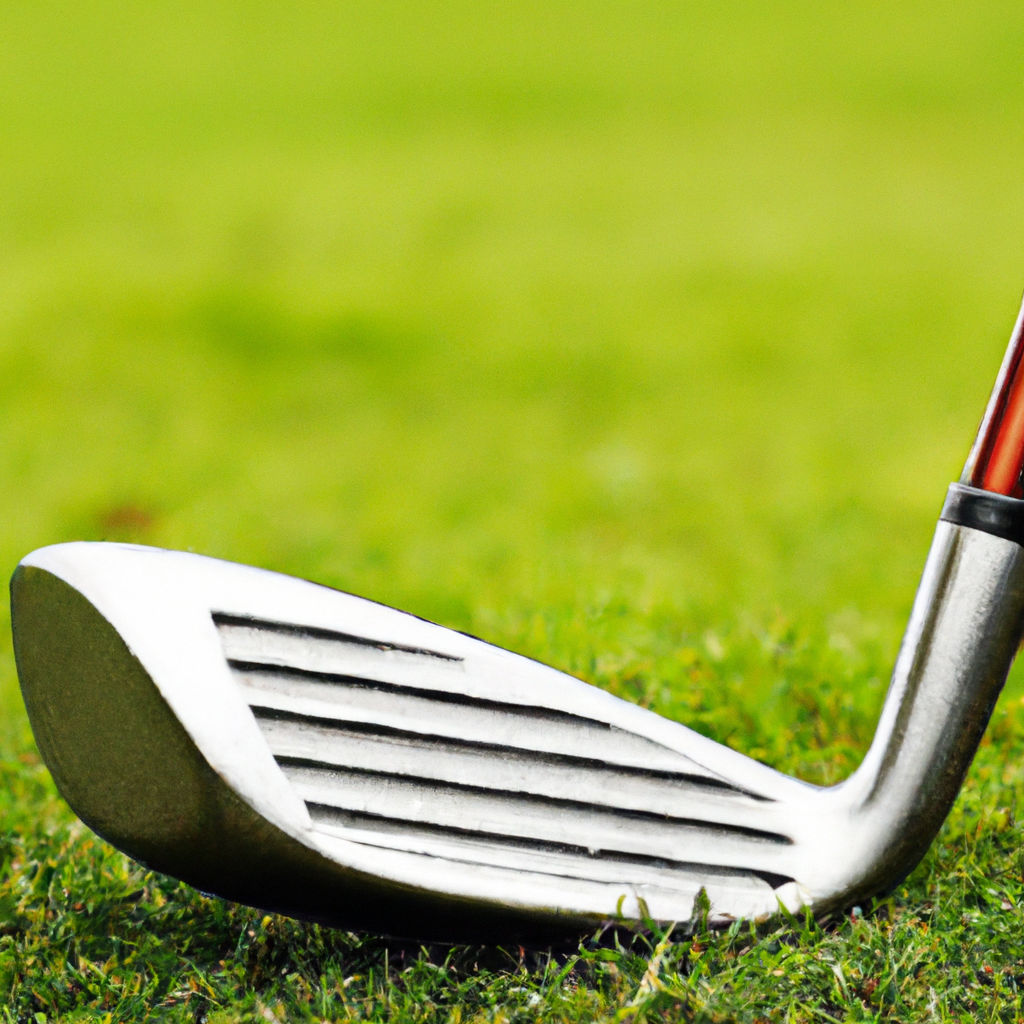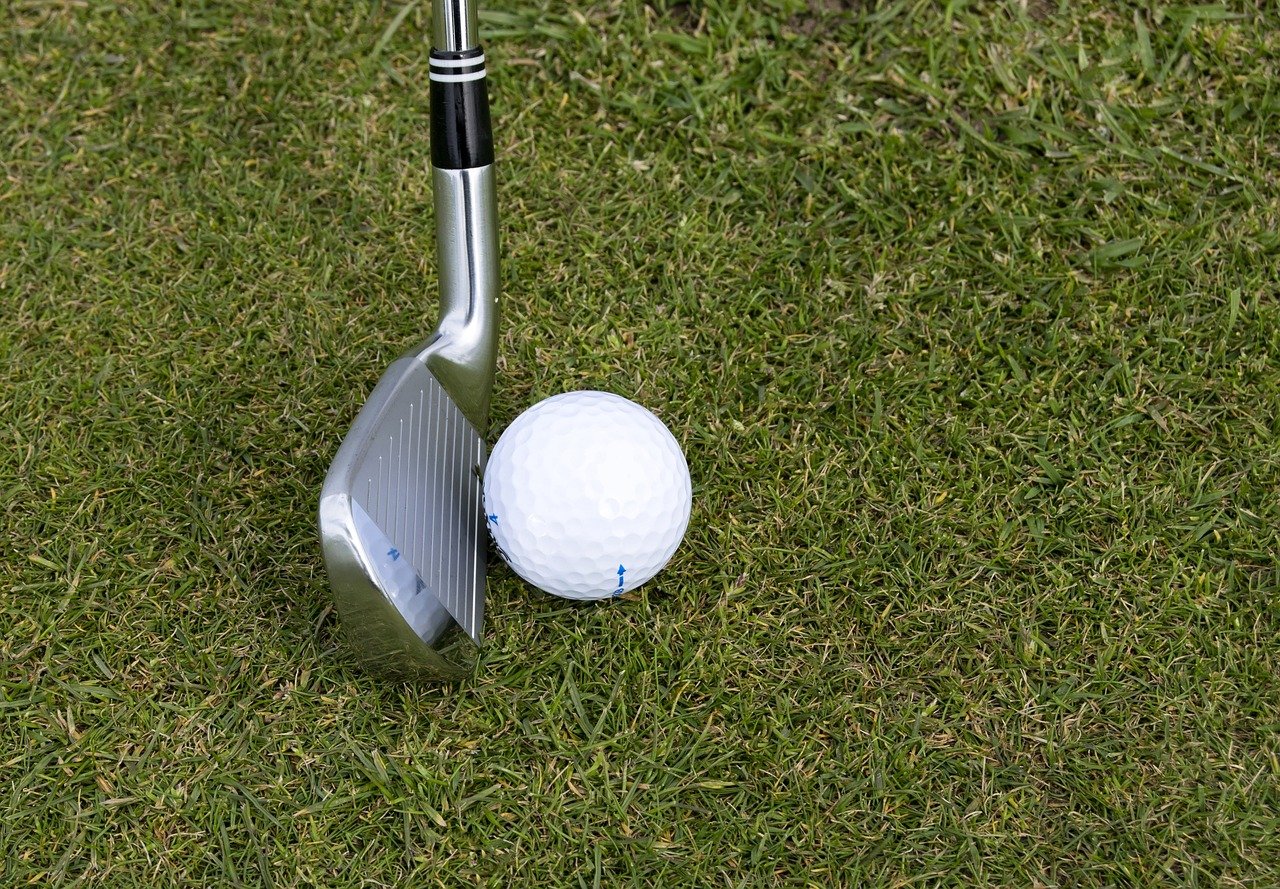
One important decision you must make in golf is using cavity-back or muscle-back irons. Choosing between these two types of irons can greatly impact your performance on the course. Cavity-back irons are designed with a hollowed-out back, which allows for more forgiveness and increased distance. On the other hand, muscle-back irons provide better control and shot-shaping capabilities. This article will help you navigate through the pros and cons of each type so you can make an informed decision and choose the best irons for your golf game.

Important Factors to Consider
When it comes to choosing the best irons for your golf game, there are several important factors that you should consider. These factors can greatly impact your performance on the course and ultimately determine which type of iron is best suited for you.
Skill Level
Your skill level is an important factor to consider when choosing between cavity-back and muscle-back irons. Cavity-back irons are generally more forgiving and are often recommended for beginner or high-handicap golfers. On the other hand, muscle-back irons require more skill and precision to use effectively, making them more suitable for experienced golfers with lower handicaps.
Swing Speed
Another factor to consider is your swing speed. Cavity-back irons are designed to help players generate more distance and are often preferred by golfers with slower swing speeds. On the other hand, muscle-back irons are better suited for golfers with faster swing speeds, as they provide more control and feel.
Forgiveness
Forgiveness is a key factor to consider when choosing irons. Cavity-back irons have a larger clubhead and a cavity in the back, which helps distribute the weight around the clubhead’s perimeter. This design feature makes cavity-back irons more forgiving, as they are less likely to twist or turn on off-center hits. On the other hand, muscle-back irons have a smaller clubhead and a more compact design, making them less forgiving and requiring more precise ball striking.
Shot Shaping
If you like to shape your shots on the course, it’s important to consider the type of iron that will best allow you to do so. Cavity-back irons are generally more suitable for golfers who prefer a straighter ball flight, as the perimeter weighting helps to promote stability and minimize side spin. On the other hand, muscle-back irons provide more workability and allow skilled golfers to shape their shots with greater precision.
Feedback
The feedback provided by your irons can greatly impact your ability to improve and make necessary adjustments to your swing. Cavity-back irons tend to provide more feedback due to their perimeter weighting, making it easier for players to feel and identify mishits. On the other hand, muscle-back irons provide less forgiveness, require more skill to use effectively, and provide more precise feedback.
Distance Control
Distance control is crucial in golf, and different irons can affect your ability to control your distances. Cavity-back irons are often designed to provide more distance and can be more forgiving on mishits, making them a good choice for golfers looking to maximize their distance. On the other hand, muscle-back irons may have more control and feel, allowing for more precise distance control.
Appearance
While the appearance of your irons may not directly affect your performance, it is still an important factor to consider. The design and aesthetics of your irons can greatly impact your confidence and overall enjoyment of the game. Some golfers prefer the sleek and compact look of muscle-back irons, while others may prefer the more forgiving and confidence-inspiring look of cavity-back irons.
Cost
Cost is an important consideration when choosing irons, as prices vary greatly depending on the brand and model. Cavity-back irons are generally more affordable and accessible for golfers of all budgets. On the other hand, muscle-back irons are often more expensive and may be considered a higher-end option.
Customization Options
If you have specific preferences or requirements for your irons, it’s important to consider the customization options available. Some golfers prefer to have their irons custom-fit to their unique swing characteristics, while others prefer off-the-shelf options. Cavity-back irons often have more customization options as they are more widely produced and cater to a larger audience.
Playability
Playability is the most important factor when choosing the right irons for your golf game. You want to choose irons you feel comfortable and confident with, allowing you to perform your best on the course. Whether you choose cavity-back or muscle-back irons, finding a set that suits your playing style, preferences, and goals is important.
Cavity-Back Irons
Definition and Design
Cavity-back irons are a type of golf club iron with a cavity in the back of the clubhead. This cavity is designed to redistribute weight around the perimeter of the club head, creating a larger sweet spot and increasing the club’s forgiveness. The larger sweet spot allows for more consistent ball striking and helps to minimize the effects of off-center hits.
Advantages
One of the primary advantages of cavity-back irons is their forgiveness. The perimeter weighting of the clubhead helps to distribute the weight around the edges, making them less likely to twist or turn on off-center hits. This provides golfers with more consistent and accurate shots, even on mishits. Cavity-back irons are also generally designed to provide more distance and are often more forgiving on shots struck low on the face.
Disadvantages
While cavity-back irons offer increased forgiveness and distance, they may also come with some disadvantages. The larger clubhead size and perimeter weighting can sometimes result in less workability and shot-shaping capability. Skilled golfers who prefer to shape their shots may find cavity-back irons unsuitable for their playing style. Additionally, some golfers may find the larger clubhead size visually distracting, particularly if they prefer a more traditional or compact look.
Who Should Use Them
Cavity-back irons are recommended for beginner or high-handicap golfers, prioritizing forgiveness and distance over precise shot shaping. These irons are also a good option for golfers with slower swing speeds, as the larger sweet spot can help to generate more distance and accuracy. Golfers who struggle with a consistent ball strike or tend to hit shots off-center would also benefit from using cavity-back irons.
Examples of Cavity-Back Irons
There are several examples of cavity-back irons available on the market today. Some popular options include the Titleist AP1 irons, TaylorMade M4 irons, Callaway Rogue irons, and Ping G400 irons. These irons are known for their forgiveness, distance, and playability, making them suitable for a wide range of golfers.
Muscle-Back Irons
Definition and Design
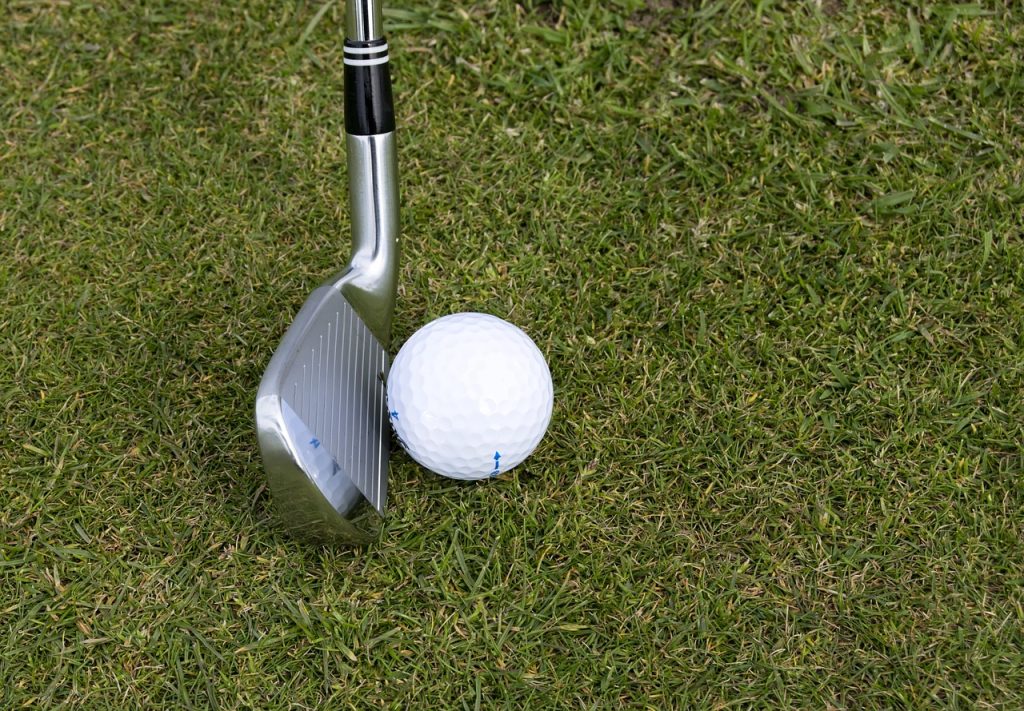
Muscle-back irons, also known as blades or traditional irons, feature a solid clubhead design with a compact shape and a higher center of gravity. Muscle-back irons do not have a cavity or perimeter weighting, unlike cavity-back irons. They are typically made from forged carbon steel and are known for their superior feel and control.
Advantages
One of the primary advantages of muscle-back irons is their unmatched feel and control. The compact design and solid construction allow for more precise shot shaping and workability. Skilled golfers who prefer to shape their shots or have greater control over trajectory and spin often prefer muscle-back irons. Additionally, the feedback provided by muscle-back irons is usually more accurate and allows golfers to make necessary swing adjustments.
Disadvantages
Muscle-back irons, while offering superior feel and control, can be less forgiving than cavity-back irons. The smaller sweet spot and lack of perimeter weighting means that mishits and off-center shots are less forgiving. Muscle-back irons also require more skill and consistency to use effectively, as they are less forgiving and require more precise ball striking.
Who Should Use Them
Muscle-back irons are generally recommended for experienced golfers with lower handicaps who prioritize feel, shot shaping, and workability over forgiveness and distance. These irons require a higher level of skill and consistency to hit effectively, making them more suitable for skilled golfers with consistent ball strikes and can shape their shots. Golfers who prefer a traditional and compact look and value the feedback provided by muscle-back irons may also choose to use them.
Examples of Muscle-Back Irons
There are several examples of muscle-back irons available on the market today. Some popular options include the Titleist MB irons, Mizuno MP-20 irons, TaylorMade P7MB irons, and Callaway Apex Pro irons. These irons are known for their precision, feel, and workability and are often used by professional and skilled amateur golfers.

Choosing the Right Irons
Identify Your Needs and Goals
Before choosing between cavity-back and muscle-back irons, it is important to identify your needs, goals, and playing style. Consider your skill level, swing speed, desired forgiveness, shot shaping ability, and overall playing preferences. This will help you narrow your options and choose the irons that best suit your needs.
Take a Fitting Session
A fitting session with a professional club fitter can greatly assist you in choosing the right irons for your game. During a fitting session, your swing characteristics, clubhead speed, ball flight, and impact pattern will be analyzed to determine your optimal iron specifications. This will ensure that you choose irons that are properly fitted to your unique swing and maximize your performance on the course.
Consider Trial Periods
If possible, take advantage of trial periods offered by golf retailers or manufacturers. This will allow you to test different irons on the course and determine which ones are most comfortable and perform the best for you. Consider factors such as forgiveness, distance control, shot-shaping ability, and overall feel.
Consult with Experts
Consulting with golf professionals, club fitters, and knowledgeable friends can provide valuable insights and recommendations. These individuals have experience and expertise in the golf industry and can help you find the right irons based on your specific needs and goals.
Test Different Irons
Testing different irons to understand how they perform and suit your game is important. Visit a golf store or range that offers a wide selection of irons and take the time to hit shots with different models and brands. Pay attention to forgiveness, distance control, shot-shaping ability, and overall feel. Take note of which irons you feel most comfortable and confident with.
Consider Personal Preferences
Personal preferences, such as appearance and brand loyalty, should also be considered when choosing irons. If you have a specific preference for the look or feel of a particular brand or model, this can play a role in your decision-making process. Remember that confidence and comfort with your irons can greatly impact your performance on the course.
Evaluate Performance
Ultimately, the performance of the irons should be the deciding factor in your decision. Consider forgiveness, distance control, shot-shaping ability, and feel. Choose the irons that consistently provide the best results and suit your playing style best. Trust your judgment and the feedback you receive from testing different irons.
Conclusion
Choosing between cavity-back and muscle-back irons is a personal decision that should be based on various factors, including skill level, swing speed, forgiveness, shot-shaping ability, feel, and personal preferences. Cavity-back irons offer increased forgiveness and distance, making them a good option for beginners or high-handicap golfers. Muscle-back irons provide superior feel, control, and workability, making them more suitable for skilled golfers. Ultimately, the right irons for you are the ones that suit your individual needs and goals and that allow you to play your best game on the course. So take the time to consider these factors, test different irons, and consult with experts to make an informed decision. With the right irons in your bag, you’ll be well on your way to improving your golf game and enjoying the sport even more.