


Have you ever found yourself standing in the golf ball aisle, feeling overwhelmed by the sheer variety of options in front of you? Finding the perfect golf ball for your game can be challenging with many different brands, models, and features. But fear not because, in this article, we will guide you through selecting the ideal golf ball that suits your playing style, skill level, and personal preferences. From distance to spin control, we will cover all the factors you must consider to ensure that your next round of golf is a hole-in-one experience. So grab your clubs and get ready to discover the golf ball that will take your game to new heights.
Understanding Golf Ball Construction
Understanding the Components of a Golf Ball
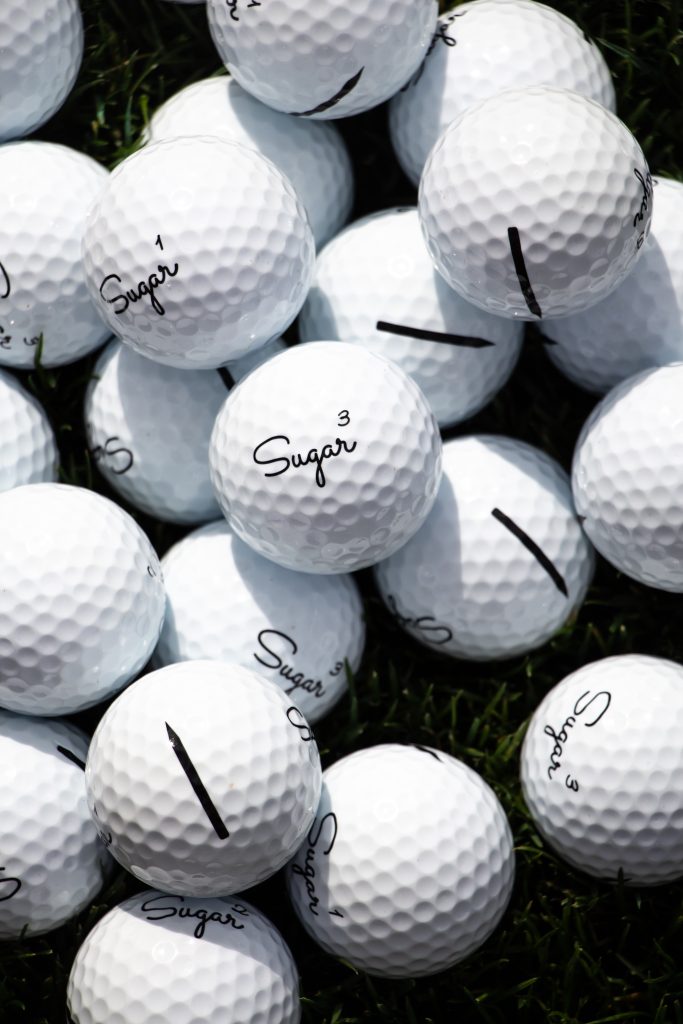
When understanding golf ball construction, it’s essential to first familiarize yourself with the different components that make up a golf ball. A standard golf ball comprises three main parts: the core, the cover, and the dimple pattern. Each of these components plays a crucial role in determining the performance and characteristics of the ball.
Exploring Different Types of Golf Ball Construction
Golf balls come in various constructions, each designed to cater to different swing speeds, skill levels, and playing conditions. Some common golf ball constructions include two-piece, three-piece, and multi-layered balls. Two-piece balls are typically known for their durability and distance, making them popular for beginners. On the other hand, three-piece and multi-layered balls offer enhanced control and spin, making them a preferred option for more advanced players.
Identifying the Core Design
The core of a golf ball is the central component responsible for its overall performance. It significantly influences factors such as distance, spin, and feel. Golf ball cores can vary in terms of compression, which refers to how tightly the core is packed. Low-compression balls are ideal for players with slower swing speeds, as they compress more efficiently and generate more distance. Higher compression balls, on the other hand, are better suited for players with faster swing speeds who can take advantage of the added control and spin they provide.
Examining the Cover Material
The cover of a golf ball refers to the outer layer that directly contacts the clubface. Golf ball covers are commonly made of materials such as surlyn or Urethane. Surlyn covers are known for their durability and provide a firmer feel, making them a popular choice for beginners or players seeking more distance. On the other hand, Urethane covers offer superior spin and control, making them a preferred option for advanced players who prioritize shot shaping and precision.
Determining Your Swing Speed
Why Swing Speed Matters
Understanding your swing speed is crucial when selecting the right golf ball for your game. Swing speed refers to the velocity at which your clubhead contacts the ball during your swing. It directly impacts the compression and performance of the golf ball. Knowing your swing speed lets you choose a ball that matches your swing characteristics and optimizes your distance, control, and feel.
Measuring Your Swing Speed
Determining your swing speed can be done in various ways. One standard method is to use a launch monitor or a swing speed radar device, which can provide accurate measurements. Alternatively, you can visit a golf professional or a fitting center, where they can analyze your swing and determine your speed. Another option is to estimate your swing speed based on the distances you typically achieve with your clubs, as there is a correlation between swing speed and distance.
Choosing the Right Compression for Your Swing Speed
Once you have identified your swing speed, choosing a golf ball with the appropriate compression rating is important. Compression refers to how much the ball compresses upon impact, and it varies depending on the player’s swing speed. A low compression ball is recommended for players with slower swing speeds, as it allows for maximum distance and improved feel. Players with faster swing speeds should opt for higher compression balls, which offer better control, spin, and responsiveness.
Consider Your Skill Level
Evaluating Your Skill Level
Understanding your skill level is crucial in selecting the right golf ball, as different balls are designed to cater to players of varying abilities. Evaluating your skill level involves considering factors such as your handicap, consistency, and overall performance on the course. By honestly assessing your strengths and weaknesses, you can make an informed decision on which golf ball will best suit your game.
Selecting Golf Balls for Beginners
Starting with a golf ball that offers maximum forgiveness and distance is recommended for beginners. Two-piece golf balls with low compression are an excellent choice, as they provide durability and minimize the chances of slicing or hooking the ball. These balls are designed to maximize distance, allowing beginners to focus on improving their swing mechanics without sacrificing too much control.
Choosing Golf Balls for Intermediate Players
As you progress in your golfing journey and improve your skills, it may be time to transition to a golf ball that balances distance and control. Three-piece golf balls can be suitable for intermediate players, providing a good combination of distance, feel, and spin. These balls offer more control and responsiveness, allowing you to shape your shots and enhance your overall performance on the course.
Opting for Golf Balls for Advanced Players
Advanced players who have honed their skills and are looking to optimize their performance should consider using multi-layered golf balls. These balls have advanced technology and a higher spin rate, allowing for greater shot control and workability. Additionally, advanced players may opt for golf balls with softer cover material, such as Urethane, as it provides an enhanced feel and responsiveness around the greens.
Understanding Spin and Control
How Spin Affects Shot Control
Spin plays a vital role in shot control, allowing golfers to manipulate their shots’ trajectory, accuracy, and stopping power. High spin shots tend to have more backspin, causing the ball to stop quickly upon landing. Low spin shots, on the other hand, travel further and roll out more upon landing. By understanding the relationship between spin and shot control, you can choose a golf ball that aligns with your desired playing style and shot preferences.
Exploring Different Spin Ratings
Golf balls often come with spin ratings, which indicate the level of spin they generate upon impact. These ratings are typically classified as low, mid, or high spin. Players prioritizing distance over control may opt for low spin balls, which minimize sidespin and maximize roll-out. Mid-spin balls offer a balanced level of control and distance, making them a popular choice for many golfers. On the other hand, high spin balls provide increased control, allowing for accurate shot shaping and precise stopping power.
Choosing Low Spin Golf Balls
If you consistently generate too much spin and struggle with accuracy, a low-spin golf ball may be the right choice. These balls are designed to minimize sidespin and offer maximum distance. Low spin balls are typically constructed with harder cover material, such as surlyn, and are suitable for players with faster swing speeds. They are also ideal for windy conditions, as they are less affected by crosswinds and offer a penetrating ball flight.
Opting for High Spin Golf Balls
A high-spin golf ball is worth considering for players prioritizing control and shot shaping. These balls are designed to generate more backspin, allowing for increased stopping power on the greens. High spin balls feature softer cover materials, such as Urethane, which provide maximum feel and responsiveness. This type of ball is well-suited for players with slower swing speeds or those who excel in approach shots and short-game precision.
Selecting the Right Dimple Pattern
Understanding the Importance of Dimples
The dimples on a golf ball may seem like a small detail, but they play a critical role in its overall performance. Dimples create turbulence around the ball, reducing drag and increasing lift, which helps the ball achieve a more stable and controlled flight. By understanding the importance of dimples, you can make an informed decision when selecting a golf ball.
Exploring Different Dimple Patterns
Golf balls can feature various dimple patterns, each designed to optimize different aspects of performance. Some common dimple patterns include shallow, deep, large, and small dimples. Shallow dimples produce a lower trajectory and offer more roll-out, making them suitable for players seeking maximum distance. On the other hand, deep dimples promote a higher trajectory and more stopping power, making them preferable for players who value control and accuracy.
Choosing Dimple Patterns Based on Flight and Distance
Selecting the correct dimple pattern depends on your desired ball flight and distance characteristics. If you are looking to maximize distance and achieve a penetrating ball flight, choosing a golf ball with shallow and large dimples can be beneficial. Conversely, if you prioritize height and stopping power, opt for a ball with deep and small dimples. It’s essential to experiment with different dimple patterns to find the one that complements your swing and playing style.
Considering the Ball Flight
Understanding Ball Flight Characteristics
The flight of a golf ball refers to its trajectory and direction in the air. Understanding the characteristics of different ball flights can help you select the right golf ball for your game. Common ball flight patterns include high, low, draw, and fade. High ball flights tend to peak higher and land more softly on the greens, while low ball flights have a more penetrating trajectory and roll out further upon landing. Draw and fade shots refer to shots that curve to the left or right.
Determining Your Desired Ball Flight
Determining your desired ball flight can help you narrow your golf ball options. Consider your playing style, course conditions, and the shots you feel most comfortable hitting. If you prefer a higher ball flight and prioritize control around the greens, opt for a golf ball that promotes a softer feel and generates more spin. Conversely, if you prefer a lower ball flight and prioritize maximum distance off the tee, choose a ball that offers less spin and a firmer feel.
Choosing the Right Ball based on Ball Flight
Once you have determined your desired ball flight, you can select a golf ball that aligns with those characteristics. Choosing a golf ball with a softer cover material and a higher spin rating can benefit players seeking a high ball flight with enhanced control. On the other hand, players looking for a lower ball flight and maximum distance should consider a ball with a harder cover material and a lower spin rating. Experimenting with different ball options is essential to find the perfect fit for your desired ball flight.

Balancing Distance and Feel
Choosing a Soft or Hard Ball for Feel
The feel of a golf ball refers to the feedback and sensation you experience upon impact with the ball. Golf balls can vary in softness or hardness, which translates to different levels of feedback and responsiveness. Soft golf balls typically offer a more cushioned feel and allow for better feedback, making them popular among players who prioritize touch and feel. More rigid golf balls, on the other hand, provide a firmer feel and are often associated with more significant distance potential.
Finding the Optimal Balance between Distance and Feel
Balancing distance and feel is essential when selecting a golf ball, as they are often inversely related. Soft golf balls offer a better feel and control around the greens but may sacrifice some distance off the tee. Harder golf balls, on the other hand, excel in distance but may provide less responsiveness around the greens. Finding the optimal balance between distance and feel involves assessing your playing style and priorities and selecting a golf ball that aligns with those preferences.
Considering Environmental Factors
Evaluating Course Conditions
Course conditions can significantly impact the performance of your golf ball. Factors such as moisture, firmness, and type of grass can influence how the ball interacts with the course. When considering course conditions, keep in mind that softer golf balls tend to perform better on wet or softer fairways, as they have a higher tendency to stop quicker. Harder golf balls, on the other hand, may provide optimal performance on firm and dry fairways as they tend to roll out further.
Accounting for Weather Conditions
Weather conditions such as wind and temperature can also affect the performance and behavior of your golf ball. Wind can influence the flight and direction of your shots, often requiring adjustments in club selection and shot trajectory. Golf balls that offer lower spin and penetrating ball flights are generally more suitable for windy conditions. Temperature, on the other hand, can impact the golf ball’s compression. Colder temperatures may cause the ball to feel harder, potentially affecting your feel and distance.
Choosing Golf Balls for Different Courses and Weather
When considering different courses and weather conditions, selecting a golf ball that can adapt to different courses and weather conditions is essential. If you predominantly play on courses with softer fairways or encounter rainy conditions, a softer golf ball with higher spin capabilities may be the right choice. For courses with firm fairways or during hot and dry weather, harder golf balls that provide maximum distance and roll-out may be more suitable. When deciding, it’s important to factor in the course conditions and weather forecast.

Taking Budget into Account
Setting a Budget for Golf Balls
Budget is an important consideration when it comes to selecting golf balls. Golf balls can range in price depending on their construction, brand, and performance characteristics. Before making a purchase, it’s wise to establish a budget range that aligns with your financial resources and playing frequency. Setting a budget will help you narrow your options and make the most informed decision without overspending.
Exploring Different Price Ranges
Golf balls are available at various price points, ranging from budget-friendly options to premium, higher-priced balls. Budget-friendly golf balls often offer decent performance and durability, making them suitable for beginners or occasional golfers. As the price range increases, golf balls may offer advanced features such as better spin control, increased distance, or a softer feel. Advanced players or those seeking the highest level of performance and technology often prefer premium golf balls.
Finding the Best Value for Money
When considering the price of golf balls, it’s important to focus on the cost and the value they provide for your game. It’s essential to analyze each golf ball’s specific performance characteristics and benefits and assess how they align with your playing style and priorities. By finding the best value for money, you can ensure that you’re investing in a golf ball that will enhance your performance and overall enjoyment without breaking the bank.
Seeking Professional Advice
Consulting with Golf Professionals
When selecting the perfect golf ball for your game, seeking advice from golf professionals can be highly beneficial. Golf professionals have extensive knowledge and experience in the game and can provide valuable insights and recommendations based on their expertise. They can assess your swing, skill level, and playing style to help you choose the most suitable golf ball for your game.
Getting Recommendations from Golfers
Another great option for gaining insight into golf ball selection is to seek recommendations from fellow golfers. Fellow golfers, especially those who have a similar skill level and playing style as you, can provide firsthand feedback on their experiences with different golf balls. Their insights can help you narrow down your options and find a golf ball that aligns with your preferences and objectives on the course.
Reading Golf Ball Reviews
In today’s digital age, many golf ball reviews are available online. Reading golf ball reviews can give you an idea of the performance, characteristics, and overall satisfaction of other golfers who have tried different ball options. By considering a wide range of reviews, you can gather valuable information and make a more informed decision when selecting the perfect golf ball for your game.
In conclusion, choosing the right golf ball for your game involves considering various factors such as construction, swing speed, skill level, spin and control, dimple pattern, ball flight, distance and feel, environmental factors, budget, and seeking professional advice. By considering these aspects and assessing your individual preferences and priorities, you can find a golf ball that complements your game and enhances your overall performance on the course. Remember, selecting the perfect golf ball is a personal decision, and it may require experimentation to find the one that suits you best.