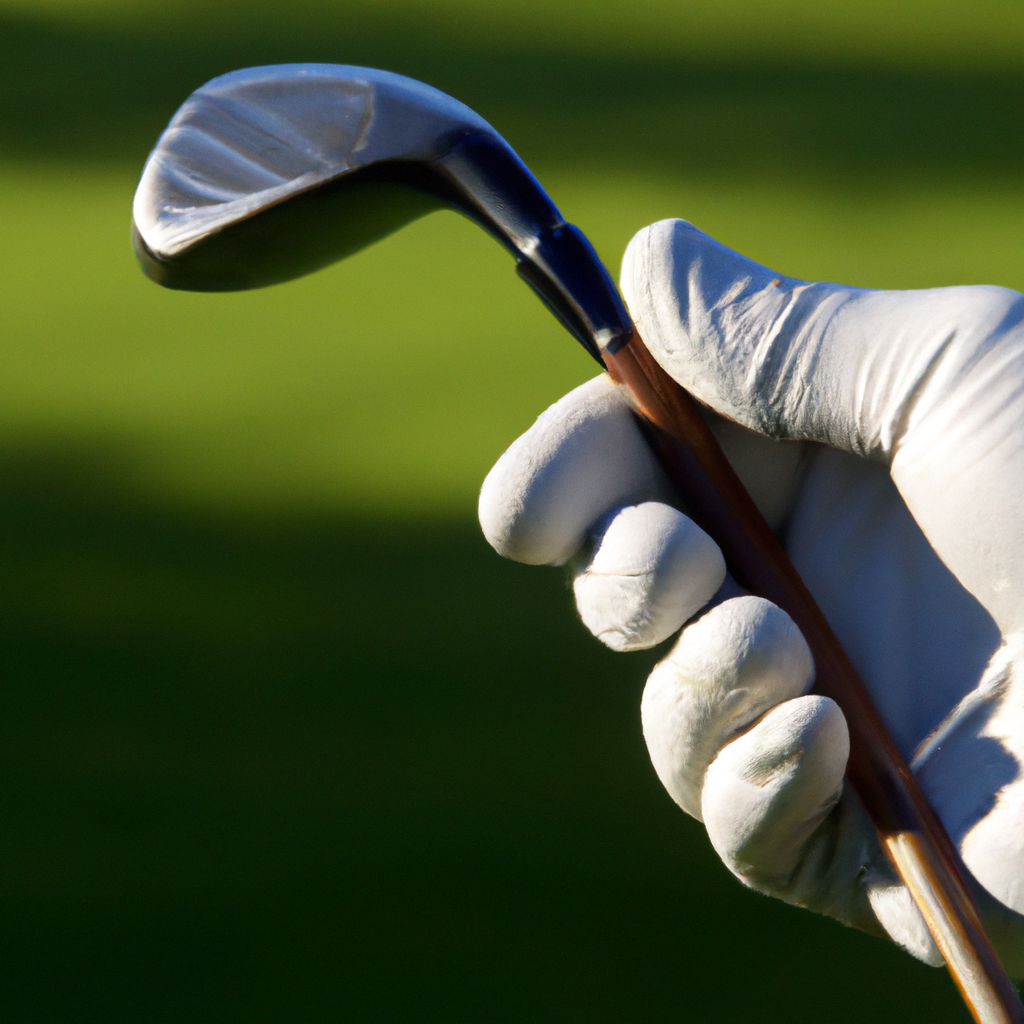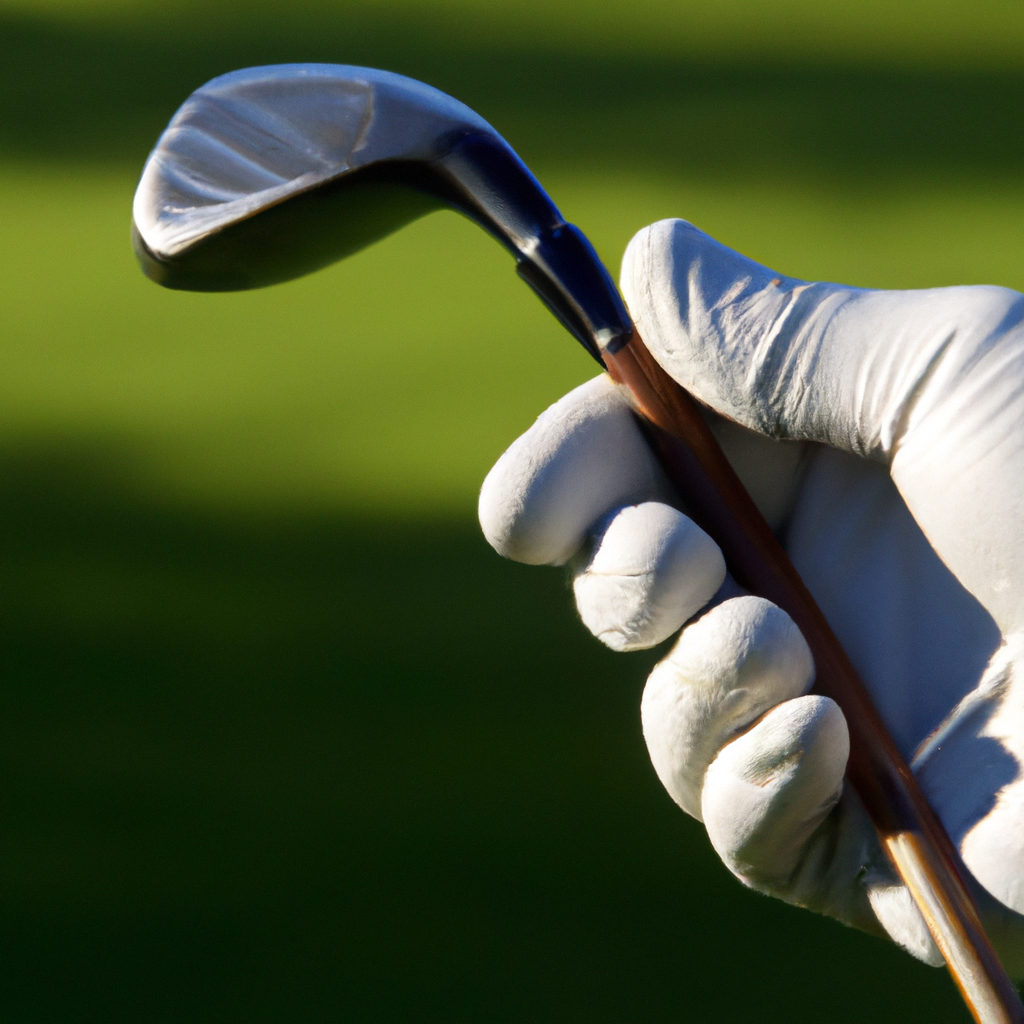
Have you ever wondered how to choose the best grip size for golf clubs? Finding the perfect grip size can greatly enhance your performance on the golf course. With the right grip size, you can have better control over your swings and achieve more accurate shots. But how do you know which grip size is right for you? This article will explore the factors to consider when selecting the best grip size for golf clubs. Whether you are a beginner or an experienced golfer, this guide will help you decide to improve your game. So, let’s get started and find the perfect grip size for your golf clubs!
Factors to consider when selecting a grip size
Several important factors must be considered when selecting a grip size for golf clubs. These factors will help you choose the grip size most suitable for your hand size, playing style, and personal preferences.
Hand size and finger length
One of the primary factors to consider when selecting a grip size is your hand size and finger length. The grip should fit comfortably in your hand without feeling too large or small. If the grip is too large, it can cause your hand to feel restricted, leading to decreased control and accuracy. On the other hand, if the grip is too small, it can result in excess hand movement and a loss of control.
Playing style and swing mechanics
Your playing style and swing mechanics also significantly determine the appropriate grip size for your clubs. Different players have different grip preferences based on their swing mechanics. For example, players with a strong grip may prefer a larger grip size to promote a more neutral grip position. Conversely, players with a weaker grip may opt for a smaller grip size to encourage a more closed-face position.
Comfort and feel
Comfort and feel are crucial considerations when choosing a grip size. Since the grip is the only point of contact between your hands and the club, it should provide a comfortable and secure feel. An appropriately sized grip should not cause discomfort or pain during extended periods of play. It should also allow a firm but relaxed grip, ensuring control and stability throughout your swing.
Grip thickness preferences
Personal preferences regarding grip thickness are another factor to consider when selecting a grip size. Some players prefer a thicker grip, which provides a more substantial feel and can help prevent excessive hand movement. Others may prefer a thinner grip, which allows for a lighter grip pressure and increased clubhead feel. Finding the grip thickness that best suits your preferences and golfing style is essential.
Measuring your hand for grip size
Before selecting a grip size, measuring your hand to determine the appropriate grip size is necessary. You can use several methods to measure your hand size and finger length accurately.
Hand size measurement
You will need a ruler or a tape measure to measure your hand size. Start by placing the ruler or tape measure at the base of your hand, just below the knuckles. Measure the distance from the base of your hand to the tip of your middle finger. This measurement will give you an indication of your hand size and help guide your grip size selection.
Finger length measurement
In addition to measuring your hand size, it is also beneficial to measure your finger length. This measurement can provide further insight into the appropriate grip size for your clubs. To measure your finger length accurately, place a ruler or tape measure at the base of your palm, where your hand meets your wrist. Measure the distance from the base of your palm to the tip of your middle finger. This measurement will help you assess the length of your fingers relative to your hand size.
Using grip size charts
Once you have measured your hand size and finger length, you can refer to grip size charts provided by golf club manufacturers or professionals. These charts typically correlate hand size and finger length measurements with specific grip sizes. By matching your measurements to the appropriate grip size on the chart, you can narrow down your options and make an informed decision.
Consulting with a professional
For the most accurate determination of your grip size, it is always recommended to consult with a professional club fitter or instructor. These individuals are trained to assess your hand size, playing style, and swing mechanics to recommend the most suitable grip size for you. They can also provide valuable insights and advice based on their expertise and experience.
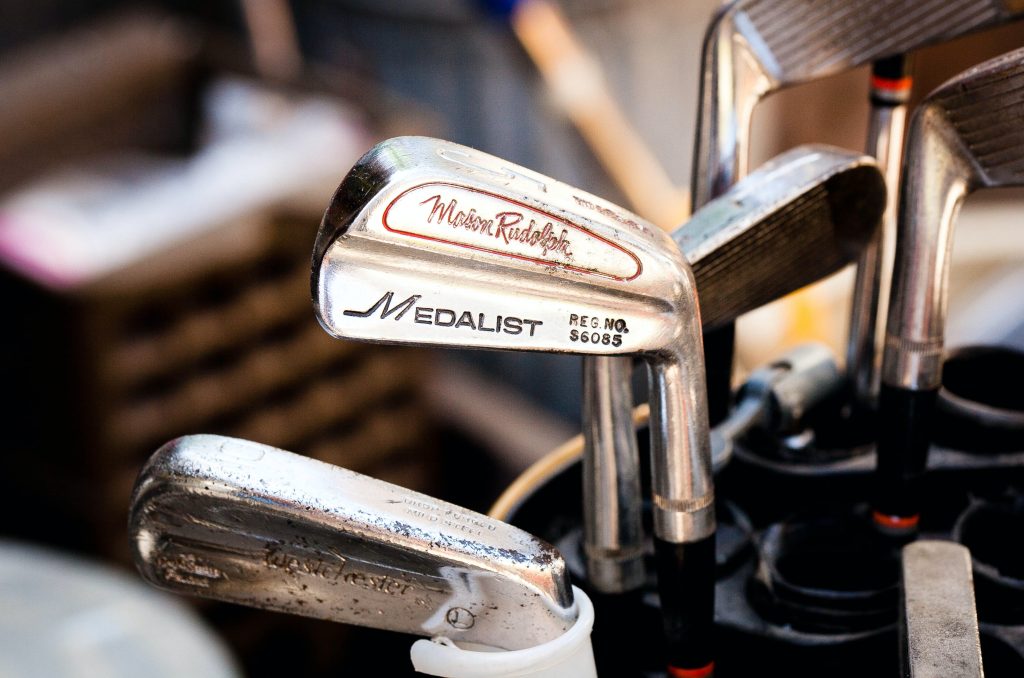
Different grip sizes and their characteristics
Golf grips come in various sizes, each with its characteristics and benefits. Understanding the different grip sizes available will allow you to decide based on your needs and preferences.
Standard grip size
The standard grip size is the most commonly used and is the default option on most clubs. It suits players with average hand sizes and offers a balanced feel and control. If you have no specific requirements, the standard grip size is a safe choice that will work for many players.
Oversize grip size
The oversize grip size, also known as jumbo or midsize plus, is larger in diameter than the standard grip size. It is ideal for players with large hands or who prefer a more substantial feel. The oversized grip can help reduce excessive hand movement and provide extra stability during the swing. It may also benefit players with arthritis or hand/wrist discomfort.
Undersize grip size
The undersized grip size, also known as junior or ladies’ size, is smaller in diameter than the standard grip size. It suits players with small hands or those who prefer a thinner grip. The undersized grip allows for increased hand movement and responsiveness, which may benefit players with a lighter grip pressure or those seeking an enhanced clubhead feel.
Midsize grip size
The midsize grip size is slightly larger in diameter than the standard grip but smaller than the oversized grip. It compromises the standard and oversize grips, providing players with medium-sized hands a comfortable feel. The midsize grip can help reduce hand tension and promote a more neutral grip position.
Testing different grip sizes
Testing and evaluating different grip sizes is crucial to determining the most suitable grip size for your clubs. Here are some suggestions for testing different grip sizes.
Borrowing clubs with different grip sizes
One way to test different grip sizes is to borrow clubs from friends or golf courses with varying grip sizes. Try out clubs with standard, oversized, and undersized grips to feel the difference in your hand. Note how each grip size affects your swing mechanics, comfort level, and overall performance.
Trying out multiple grip sizes
Suppose you can try out multiple grip sizes on your clubs. Most golf shops and club fitting facilities offer a range of demo clubs with different grip sizes that you can try. By hitting shots with different grip sizes, you can gauge their impact on your swing and determine which size feels the most comfortable and natural.
Evaluating performance and comfort
Throughout the testing process, closely examine how each grip size affects your shot consistency and accuracy. Notice differences in clubface control and how well you can control your shots. Consider the feedback and vibration you feel through the grips and note the overall comfort and grip pressure required for each grip size.

Factors to consider while testing grip size
Several factors should be considered when testing different grip sizes to assess their suitability accurately.
Shot consistency and accuracy
Pay attention to how consistently and accurately you hit shots with each grip size. With each grip size, can you maintain a consistent swing path and clubface orientation? Evaluate the impact of grip size on your shot dispersion and the overall control you have over the ball.
Clubface control
Notice differences in your ability to control the clubface through impact with different grip sizes. Some players may find it easier to square the clubface with a specific grip size, while others may experience difficulties with certain sizes. Consider how each grip size affects your clubface control and make adjustments accordingly.
Feedback and vibration
Evaluate the feedback and vibration you feel through the grips with different sizes. Some players may prefer a grip size that provides more feedback, giving them a better sense of the clubhead position throughout the swing. Others may prioritize a smoother feel with minimal vibration. Consider your preferences and select a grip size that provides the desired level of feedback and vibration dampening.
Overall comfort and grip pressure
Lastly, assess each grip size’s overall comfort and grip pressure. A grip should feel comfortable in your hands and allow for a relaxed yet secure grip. Consider how each grip size affects your hand position, finger placement, and comfort. Take note of any excessive grip pressure required to control the club, and select a grip size that allows for a natural and comfortable grip.
Seeking professional advice
While testing different grip sizes can provide valuable insights, seeking professional advice is highly recommended for an accurate and personalized fitting experience.
Working with a club fitter
A club fitter is a trained professional who can assess your swing mechanics, playing style, and hand measurements to recommend the most suitable grip size. They can access a wide range of grip options and provide expert guidance throughout the fitting process. Working with a club fitter will ensure you find the grip size that optimizes your performance and comfort on the course.
Getting a custom-fitting
A custom fitting may be necessary for players with specific requirements or unique hand sizes. A custom fitting involves measuring your hand dimensions and using specialized equipment to create a grip that perfectly suits your needs. This option is particularly beneficial for players with unusual hand proportions or those seeking the utmost precision and personalization in their equipment.
Listening to instructor recommendations
If you work with a golf instructor or coach, they may also provide valuable input regarding the most appropriate grip size for your clubs. They deeply understand your swing mechanics and playing style and can offer guidance based on their observation and experience. Take their recommendations into consideration when selecting a grip size.

Adjusting grip size with tape
You can adjust using grip tape if the grip size you initially selected does not provide the desired feel or comfort. Grip tape is a quick and easy way to modify the grip size without replacing the entire grip.
Adding tape to increase grip size
To increase the grip size, apply grip tape to the shaft before installing the grip. The number of grip tape layers added will determine the increase in grip size. Start with a thin layer and gradually add until you achieve the desired thickness. Ensure the grip tape is applied evenly and smoothly to avoid any inconsistencies in the feel and performance of the grip.
Removing tape to decrease grip size
If you need to decrease the grip size, you can remove some of the grip tape layers. Carefully peel off the top layers of tape until you reach the desired thickness. Be cautious not to damage the grip or leave any adhesive residue on the grip. After removing the excess tape, ensure the grip feels secure and properly aligned on the shaft.
Appropriate grip size for different conditions
It is worth considering the playing conditions you commonly encounter when selecting a grip size. Different grip sizes can affect your performance depending on the conditions in which you play.
Wet conditions
In wet conditions, a larger grip size can be advantageous as it helps maintain a secure grip on the club. Grips with more texture or patterns can also enhance traction and prevent the club from sliding in your hands. Consider using an oversized or midsized grip in wet conditions to ensure optimal control.
Dry conditions
In dry conditions, grip size becomes less of a concern as moisture is not a factor. When selecting a grip size for dry playing conditions, you can focus more on personal comfort and preferences.
Cold conditions
In cold conditions, your hands may become more sensitive due to decreased blood circulation. Therefore, choosing a slightly thicker grip size may be beneficial to provide insulation and enhance comfort. Consider using an oversize or midsize grip in cold conditions to help mitigate the effects of the cold on your hands.
Hot and humid conditions
Hot and humid conditions can cause your hands to sweat more, potentially affecting your grip on the club. Using a grip with moisture-wicking properties or grip tapes can be beneficial in such conditions. Consider using a grip with added texture or layers to prevent the club from slipping in your hands.

Replacing worn-out grips
Over time, golf grips can wear out and lose their effectiveness. Recognizing the signs of worn-out grips and replacing them as needed is important.
Signs of worn-out grips
Worn-out grips may exhibit signs such as cracking, peeling, or hardening of the material. They may also feel slick or slippery, reducing your ability to maintain a secure grip on the club. If you notice any of these signs, it is time to replace your grips to ensure optimal performance and control.
Considerations when replacing grips
You can stick with the same size as before when replacing grips or experimenting with new sizes. If you were comfortable with the previous grip size and it provided the desired performance, replacing it with the same size is a safe choice. However, suppose you have experienced changes in your hand size or preferences. In that case, it may be worth considering a different grip size to see if it enhances your performance or comfort.
Using the same size or experimenting with new sizes
Replacing grips is an opportunity to reassess your grip size and make any necessary adjustments. Consider any changes in your hand size or preferences since the last replacement. If you have been using the same grip size for a long time without issues, sticking with that size is a reliable choice. However, if you need a change or improvement, consider experimenting with new grip sizes to find the one that suits you best.
Grip size maintenance and care
Once you have selected the appropriate grip size and replaced worn-out grips, it is important to maintain and care for your grips to prolong their lifespan and ensure optimal performance.
Cleaning grips
Regularly cleaning your grips is essential to remove dirt, sweat, and oils that can accumulate over time. Use a mild soap or grip cleaning solution and a soft brush or cloth to scrub the grips gently. Rinse them thoroughly with water and allow them to air dry before using them again. Proper cleaning can help maintain traction and ensure a consistent grip feel.
Replacing grips regularly
Even with proper maintenance, grips will eventually wear out and need replacement. As a general rule of thumb, consider replacing your grips every 1-2 years, depending on the frequency of play and the condition of the grips. Regular replacement ensures optimal performance and control of the course.
Storing clubs properly
Proper storage of your clubs is also important for maintaining the condition of the grips. Avoid storing them in extreme temperatures, such as a hot car trunk or a freezing garage. Instead, keep your clubs in a cool, dry place protected from direct sunlight and excessive humidity. Storing clubs upright or using a golf bag with individual club compartments can also help prevent unnecessary wear and damage to the grips.
By considering the various factors discussed above, measuring your hand for grip size, testing different grip sizes, seeking professional advice when needed, and properly maintaining your grips, you can ensure that you select the best grip size for your golf clubs. Remember, the right grip size can significantly impact your comfort, control, and overall performance on the course.