


When it comes to golf, choosing the right putter is crucial to improving your game on the green. One popular choice to consider is between blade and mallet putters. But what exactly sets these two types of putters apart? In this article, we’ll explore the variations between blade and mallet putters, providing you with valuable insights into their designs, benefits, and ideal usage scenarios. So, whether you’re a seasoned golfer or just starting, understanding the differences between these putter styles will help you make an informed decision and ultimately improve your performance.
Blade Putters
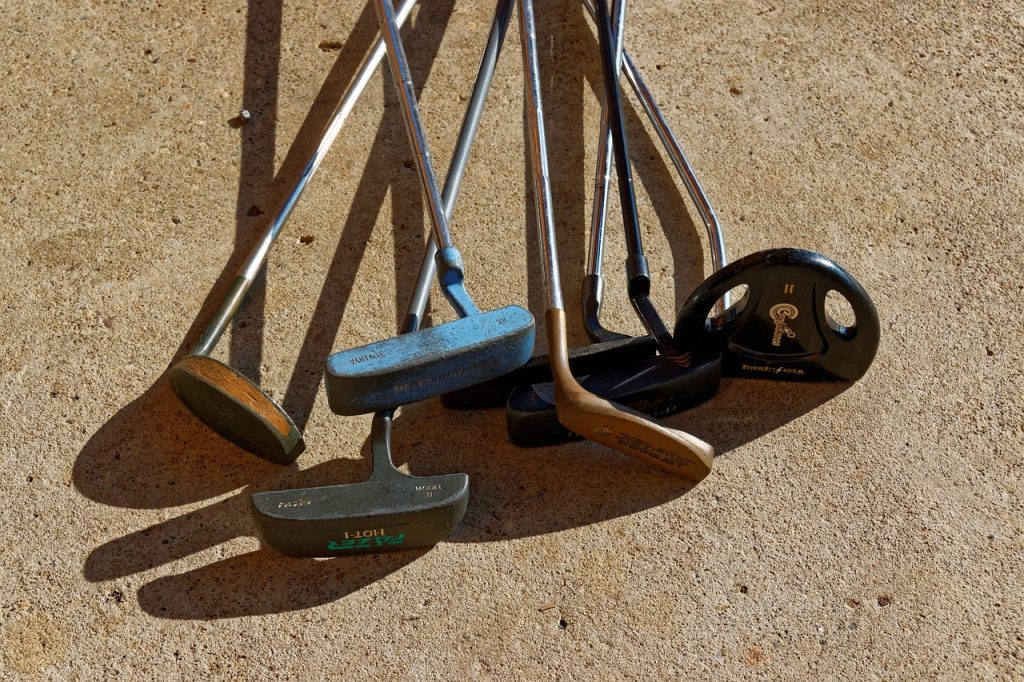
Blade putters are popular among golfers for their classic design and precise craftsmanship. These putters are easily identifiable by their traditional head shape, which resembles a blade or a small iron. They have a thin, narrow clubhead, with most of the weight concentrated toward the clubface, offering a clean and minimalistic appearance.
Design Features
The design of blade putters is focused on simplicity and precision. The clubhead is typically crafted from a single metal block, such as stainless steel or carbon steel, resulting in a sleek and elegant look. The shaft is usually center-shafted or heel-shafted, which influences the balance and feel of the putter.
Pros and Cons:
- Pros: Blade putters are highly regarded for their exceptional feel and feedback. The traditional design gives golfers a better sense of the clubhead and the ball’s impact. They are suited for golfers who prefer a more compact and traditional appearance at the address.
- Cons: Blade putters can be less forgiving compared to mallet putters. The narrow sweet spot requires precise contact with the ball, making it less suitable for golfers with inconsistent strokes. Additionally, the smaller clubhead may be less stable for off-center hits.
Mallet Putters
Mallet putters, as their name suggests, feature a clubhead that resembles a mallet or a larger and more rounded shape. These putters often have a larger footprint, offering increased stability and a higher moment of inertia (MOI). Mallet putters have gained popularity recently due to their forgiveness and alignment aids.
Design Features
Mallet putters come in various shapes and sizes, but they all share the common characteristic of having a larger clubhead than blade putters. The extra weight distributed to the clubhead’s perimeter helps to increase stability and reduce twisting on off-center hits. Some mallet putters also feature additional weight ports or inserts to optimize the center of gravity further.
Pros and Cons:
- Pros: Mallet putters excel in providing stability and forgiveness, making them suitable for golfers with a less consistent stroke. The larger clubhead size often results in a higher MOI, minimizing the effect of mishits. Many mallet putters also offer enhanced alignment aids, such as alignment lines or dots, which can assist in achieving a more accurate aim.
- Cons: Some golfers may find the larger size and heavier weight of mallet putters less appealing. They may lack the same feel and feedback as blade putters, causing some players to feel a disconnection between the clubhead and the ball. Additionally, the larger clubhead may take some time to adapt to for players used to the traditional blade design.
Head Shape and Size
Blade Putter Head Shape and Size
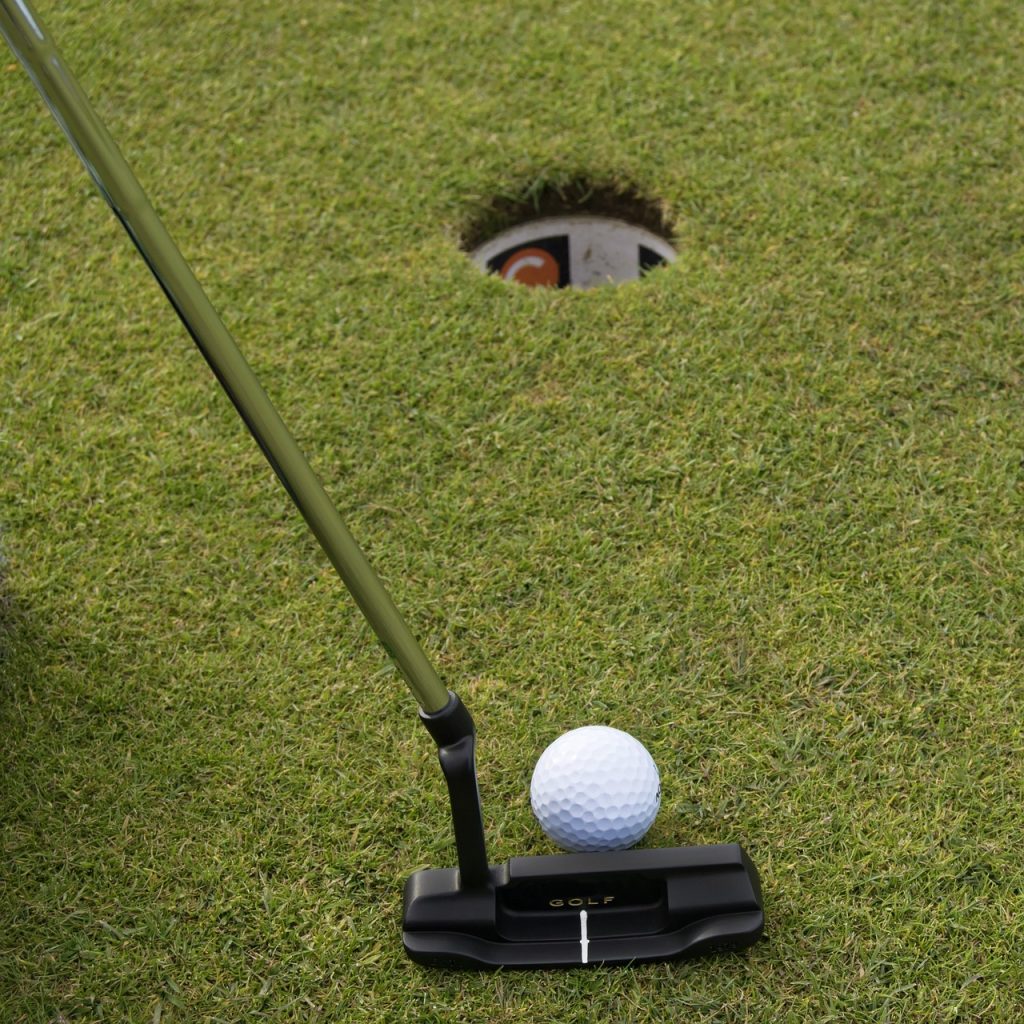
The head shape of blade putters can vary, but they generally feature a thin and narrow design resembling the blade of a knife. The size of the head is typically smaller compared to mallet putters. This compact size offers a more traditional look and allows for better maneuverability throughout the stroke.
Mallet Putter Head Shape and Size
Mallet putters come in a wide range of head shapes, from more rounded designs to more angular or futuristic shapes. The size of the club head is generally larger than blade putters, providing a larger hitting area and increased forgiveness.
Comparison of Head Shapes and Sizes
When comparing head shapes and sizes, it is crucial to consider personal preferences and individual putting strokes. Blade putters are favored by those who prefer a more traditional appearance and value precise feedback. On the other hand, mallet putters appeal to golfers seeking increased forgiveness and stability through a larger clubhead.
Alignment
Blade Putter Alignment
Blade putters often feature minimal alignment aids, if any at all. The simplicity of their design allows golfers to focus on their strokes and visualize the intended line. Some blade putters may have a single alignment line or dot to aid alignment, but they typically rely on the golfer’s instincts and feel.
Mallet Putter Alignment
Mallet putters are renowned for their alignment features, making them a popular choice for golfers who struggle with alignment. Many mallet putters offer multiple alignment lines or dots, creating a visual guide to help golfers square the putter face to their intended target line.
Comparison of Alignment Features
The alignment features of blade and mallet putters cater to different preferences and requirements. Blade putters provide a more traditional approach, relying on the golfer’s alignment skills. In contrast, mallet putters offer enhanced alignment aids, assisting golfers in achieving a more accurate setup and alignment.

Toe Hang vs. Face-Balanced
Explanation of Toe Hang and Face-Balanced
Toe hang and face balance refer to how a putter’s clubhead rests when balanced on a finger. Toe hang means the toe of the putter points downward, while the face-balanced putter’s face remains parallel to the ground.
Blade Putter Toe Hang
Blade putters typically have a toe hang, meaning their design naturally promotes a slight clubhead rotation during the swing. This toe hang is beneficial for golfers with an arcing putting stroke, as it helps to square the face at impact.
Mallet Putter Face-Balanced
Mallet putters, on the other hand, are commonly face-balanced. The weight distribution in these putters is designed to keep the face square to the target line throughout the stroke. This feature is advantageous for golfers with a straight back-straight through putting stroke.
Comparison of Toe Hang and Face-Balanced Putters
The choice between toe hang and face-balanced putters depends on the golfer’s putting stroke and personal preference. Golfers with an arcing stroke often prefer blade putters with toe hang for better face control, while those with a straight back-straight through stroke tend to favor face-balanced mallet putters for consistency.
Weight Distribution
Blade Putter Weight Distribution
Blade putters typically have a more concentrated weight distribution towards the clubface. This design allows for a better feel and response, as the weight is precisely positioned where the force is applied during the stroke.
Mallet Putter Weight Distribution
Mallet putters distribute their weight more evenly throughout the clubhead, including the perimeter and back. This weight distribution helps to increase the MOI, providing more forgiveness on off-center hits.
Comparison of Weight Distribution
The weight distribution in blade and mallet putters differs to cater to specific needs. Blade putters focus their weight on the clubface for enhanced feel and feedback, while mallet putters distribute weight throughout the clubhead for increased stability and forgiveness.

Stroke Type
Blade Putters and Straight Back-Straight Through Stroke
Blade putters are often associated with the straight back-straight through stroke, also known as the pendulum stroke. This stroke type involves minimal clubhead rotation and follows a straight line back and through the ball.
Mallet Putters and Arc Stroke
Mallet putters are popular among golfers with an arcing stroke, where the clubhead naturally opens on the backswing and closes on the follow-through. Some mallet putters’ larger size and toe hang complement this stroke by promoting a smooth and consistent arc.
Choosing the Right Putter for Your Stroke Type
Selecting the appropriate putter for your stroke type is crucial for optimal consistency. A blade putter may suit you best if you have a straight back-straight through stroke. On the other hand, if you have an arcing stroke, a mallet putter with toe hang can enhance your putting performance.
Feel and Sound
Blade Putter Feel and Sound
Blade putters are renowned for their exceptional feel and sound. The concentrated weight towards the clubface gives players a better sense of impact and feedback. The resulting sound is often described as a crisp and solid “click,” providing a satisfying feel for those seeking maximum responsiveness.
Mallet Putter Feel and Sound
With their larger size and weight distribution, Mallet putters may produce a slightly different feel and sound compared to blade putters. The larger clubhead and increased forgiveness can result in a more muted sound and a softer, subtler feel upon impact.
Comparison of Feel and Sound
The choice between blade and mallet putters regarding feel and sound ultimately comes to personal preference. If you value a crisp and responsive feel with a resonating sound, a blade putter is likely to be your preferred option. Conversely, if you prefer a softer and slightly muted feel, a mallet putter may be your better choice.
Suitability for Different Skill Levels
Blade Putters and Low Handicap Players
Low-handicap players often favor blade putters with consistent and repeatable strokes. The precision, feel, and feedback these putters provide allow skilled golfers to fine-tune their putting game and control their distances and lines better.
Mallet Putters and High Handicap Players
Mallet putters are well-suited for high-handicap players who may have a more inconsistent stroke or struggle to consistently make solid contact with the center of the clubface. The forgiveness and stability offered by mallet putters can help reduce the effect of off-center hits and enhance overall putting performance.
Intermediate Players and Choosing the Right Putter
For intermediate players, the choice between blade and mallet putters may depend on individual preferences and needs. It is essential to consider stroke type, alignment, and feel to determine which putter offers the best performance, confidence, and consistency.
Customization Options
Blade Putter Customization Options
Blade putters generally offer limited customization options compared to mallet putters. Some customization possibilities include choosing different finishes and grip options and personalizing the length and lie angle to suit individual preferences.
Mallet Putter Customization Options
Mallet putters often offer a wider range of customization options. Golfers can choose from various head shapes, alignment aids, inserts, and weight configurations to personalize their putter and optimize performance.
Comparison of Customization Options
The level of customization available for blade and mallet putters differs, providing golfers with distinct choices regarding aesthetics and performance. While blade putters focus on simplicity and classic design, mallet putters offer more flexibility for customization to suit specific preferences and needs.
The choice between blade putters and mallet putters involves considering factors such as design features, alignment aids, weight distribution, stroke type, feel, skill level, and customization options. Understanding the differences and benefits of each can help you make an informed decision and select the putter that best suits your game and preferences. Happy putting!