


So, you’ve just picked up a roll of golf impact tape and are unsure how to make the most of it. Well, you’re in luck! This article guides you on effectively utilizing golf impact tape to improve your game. Whether you’re a seasoned golfer looking to fine-tune your swing or a newbie seeking to understand the impact of your shots, this article will provide valuable tips and techniques on maximizing the benefits of this handy tool. Get ready to enhance your performance on the green and gain a deeper understanding of your golf strikes with the help of golf impact tape!
Understanding Golf Impact Tape
What is golf impact tape?
Golf impact tape is a specialized tape designed to provide visual feedback on the impact between the golf ball and the clubface. It is made of a thin, adhesive material that easily sticks to the clubface upon contact. The tape is offered in various sizes to fit different clubfaces. When struck, the tape leaves a visible mark, allowing golfers to analyze their swing and make necessary adjustments.
Why is it important?
Golf impact tape is important because it lets golfers gain valuable insights into their swing and contact with the ball. Providing instant feedback on the quality and location of the impact helps golfers improve their consistency, accuracy, and distance. It indicates whether the ball was hit too high, too low, left, or right on the clubface. This information is crucial for golfers looking to refine their technique and achieve better results on the course.
How does it work?
Golf impact tape transfers its adhesive layer onto the clubface upon impact. When struck, the tape adheres to the surface, leaving a mark that shows where the ball made contact. The tape’s design allows it to absorb some of the force and help protect the clubface from wear and tear. This marking system enables golfers to easily identify and analyze their ball-striking patterns, helping them understand the impact dynamics of their swing.
Choosing the Right Golf Impact Tape
Consider your skill level.
When choosing golf impact tape, it is important to consider your skill level. Different tapes may have varying levels of sensitivity and visibility. Beginners may benefit from tapes with clear, bold markings for easier interpretation. At the same time, more advanced players may prefer tapes with more subtle markings to better analyze smaller nuances in their impact patterns.
Choose the correct tape size.
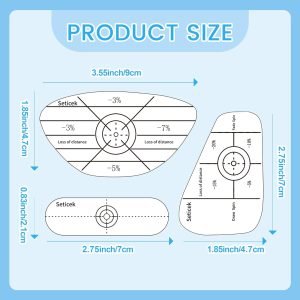
Selecting the correct tape size is crucial for accurate feedback. Golf impact tapes come in different sizes to accommodate various clubface dimensions. It is essential to choose a tape that matches the size of your clubface to ensure proper adhesion and reliable results. Using a too-large or too-small tape may hinder its effectiveness and compromise the accuracy of the markings.
Check the adhesive quality.
The adhesive quality of golf impact tape is another important factor to consider. Ensure the tape has a durable adhesive that securely sticks to the clubface throughout your swing. A tape with weak adhesive may come off prematurely, resulting in inconsistent markings or no feedback. Choosing a reputable brand or seeking recommendations to use a tape with reliable adhesive properties is best.

Preparing Your Golf Club
Clean the clubface
Before applying golf impact tape, it is essential to clean the clubface thoroughly. Any dirt, debris, or residue on the surface can hinder the tape’s adhesion and make it less effective. Use a damp cloth or specialized club cleaning solution to wipe the clubface and remove any existing dirt or grass stains. Ensure that the clubface is completely dry before proceeding to apply the tape.
Remove any existing tape.
If you have any existing golf impact tape on your clubface, removing it before applying a new one is important. Gently peel off the old tape, careful not to leave any residue behind. Removing any previous tape ensures a clean surface for the new tape to adhere to, providing accurate feedback during your practice sessions.
Apply grip solvent (optional)
Applying grip solvent to the clubface before tape application is an optional step but can help enhance the adhesion of the impact tape. Grip solvent provides a thin layer of moisture that helps the tape stick more securely to the clubface. Apply a small amount of solvent to a clean cloth and rub it gently onto the clubface. Allow it to dry completely before proceeding to apply the tape.
Applying the Golf Impact Tape
Cut a piece of tape to size.
Using a pair of scissors or a utility knife, cut a piece of golf impact tape to match the size of your clubface. Most tapes come with a backing layer that can be easily cut to the desired size. Take time to ensure a precise fit; a well-fitted tape will provide more accurate feedback.
Peel off the backing.
Carefully peel off the backing layer from the impact tape. Be cautious not to touch the adhesive surface with your fingers, as oils from your skin can interfere with the tape’s adhesive properties. Hold the tape by the edges to avoid any contamination.
Place the tape on the clubface.
Gently place the exposed adhesive side of the tape onto the center of the clubface. Press down firmly, starting from the center and working towards the edges, to ensure proper adhesion. Smooth out any bubbles or wrinkles that may have formed during application. The tape should be securely attached to the clubface and ready for use.

Striking the Ball
Take a normal swing.
When using golf impact tape, it is essential to take a normal swing as you would during a regular round of golf. This will provide the most accurate representation of your swing mechanics and ball-striking tendencies. Avoid altering your swing mechanics or clubface alignment solely due to the presence of the tape.
Hit the ball with the center of the clubface.
When striking the ball, aim to contact the center of the clubface. This is known as the “sweet spot” and is the optimal point for maximum efficiency and distance. Hitting the ball off-center may result in less desirable ball flight characteristics and impact markings on the tape, providing valuable feedback for improvement.
Observe the tape’s impression.
After striking the ball, take a moment to observe the impression left by the tape. The mark on the tape will indicate the quality and location of the impact. A central, well-defined mark suggests an ideal strike, while marks towards the heel or toe of the clubface may indicate mis-hits. Analyzing the tape’s impression helps identify inconsistencies in your ball striking and guides further adjustments.
Analyzing the Results
Check the face impact pattern.
Analyzing the face impact pattern on the golf impact tape is crucial for understanding your ball-striking tendencies. Look for patterns in impact location, such as consistently hitting towards the toe or heel of the clubface. This analysis will provide insight into swing flaws or setup issues causing inconsistent contact.
Observe ball flight characteristics.
In conjunction with analyzing the tape markings, observing the ball’s flight characteristics after striking the ball is essential. Pay attention to factors such as trajectory, distance, and accuracy. A mis-hit towards the heel or toe may result in a noticeable deviation in ball flight, indicating the need for adjustments in your swing mechanics or club setup.
Evaluate consistency
Consistency is key in golf, and analyzing the impact tape results can help identify areas where improvements can be made. Evaluate the consistency of the tape markings over a series of shots. If you notice variation in the impact patterns, it may indicate a need for adjustments in your swing or club setup to achieve greater consistency and control.
Making Adjustments
Adjust swing technique
Based on the analysis of the impact tape results, consider making adjustments to your swing technique. For example, if you consistently see marks towards the heel of the clubface, it may suggest a swing path that is too inside-out. Work with a golf instructor or coach to identify and practice the necessary changes to improve your ball-striking consistency.
Modify club setup
Sometimes, adjustments to your club setup may be necessary to optimize impact and achieve desired results. This may involve grip size, shaft length, or lie angle changes. Consult with a club fitting professional or knowledgeable coach to determine if any modifications to your equipment can help improve ball striking and overall performance.
Experiment with different clubs
Golf impact tape can also be used to experiment with different clubs and assess their impact characteristics. You can compare the impact patterns and ball flight results by applying the tape to different clubfaces. This experimentation can help you determine which clubs best suit your swing and provide the desired level of consistency and performance.
Recording Data
Document tape readings
Documenting the tape readings to track your progress and measure the effectiveness of any adjustments made is essential. Record each practice session, noting the specific tape marks and any observations related to ball flight and consistency. This data will serve as a reference point and allow you to monitor trends and improvements over time.
Keep track of changes made.
In addition to tape readings, keeping track of any changes you make to your swing technique or equipment setup is important. This includes modifications to grip, stance, alignment, and any other adjustments coaches or club fitting professionals recommend. A record of the changes will help you evaluate their impact on your performance and provide valuable insights for future adjustments.
Use a golf impact tape app or software.
Consider utilizing a golf impact tape app or software to streamline the data recording. These tools allow you to digitally capture and analyze impact tape readings, making tracking progress and identifying trends easier. Some apps may provide additional features like video analysis and customized drills to enhance practice sessions.
Using Golf Impact Tape in Practice
Incorporate into training drills.
To maximize the benefits of golf impact tape, incorporate it into your regular training drills. Use the tape to focus on specific aspects of your swing, such as improving contact at the bottom of the swing arc or developing a consistent ball flight. By integrating the tape into structured drills, you can target specific areas for improvement and track your progress accordingly.
Monitor progress over time.
Consistency and improvement in golf require patience and dedication. Continuously monitor your progress over time using golf impact tape during practice sessions. Pay attention to changes in impact patterns, ball flight characteristics, and overall consistency. By staying committed and tracking your progress, you can gauge the effectiveness of your efforts and make informed adjustments as needed.
Fine-tune your swing
Golf impact tape serves as a valuable tool for fine-tuning your swing mechanics. By consistently analyzing the tape’s impressions and adjusting based on the feedback, you can refine your technique and achieve more desirable impact patterns and ball flight results. Remember, practice and patience are key to incremental improvements and mastering your swing.
Other Uses for Golf Impact Tape
Checking ball alignment
In addition to analyzing ball-striking, golf impact tape can be used to check ball alignment. By placing a strip of tape perpendicular to the target line on the clubface, you can observe if the ball is consistently aligned in the intended position. This tool helps develop a consistent setup routine and promotes accuracy and alignment during your rounds.
Testing different golf balls
Golf impact tape can also be utilized to test and compare different types of golf balls. Apply the tape to different clubfaces and hit shots using various ball models. Analyze the impact patterns and consider factors such as spin rate, launch angle, and distance. This experimentation will help you identify which golf balls best suit your game and provide the desired performance characteristics.
Assessing the impact on different surfaces
Lastly, golf impact tape can be employed to assess the impact on different surfaces. You can observe how the impact markings differ by hitting shots off various lies, such as rough, fairway, or sand. This information is valuable for adjusting your swing, clubface angle, or setup when playing from different lies and surfaces on the course.
In conclusion, golf impact tape is a valuable tool that provides instant feedback on the quality and location of the impact between the golf ball and the clubface. By understanding its purpose, choosing the right tape, preparing the clubface, and following proper application techniques, golfers can effectively utilize impact tape to analyze their swing, make necessary adjustments, and improve their overall performance on the course. Whether used during practice sessions or incorporated into training drills, impact tape is a reliable aid for fine-tuning swing mechanics, monitoring progress, and achieving greater consistency and control. Additionally, the tape can be used for various purposes, such as checking ball alignment, testing different golf balls, and assessing the impact on different surfaces. Incorporating golf impact tape into your golfing routine can enhance your understanding of your swing mechanics, make informed adjustments, and ultimately improve your performance on the golf course.